Most of the meals I cook are not elaborate. They are not planned days in advance or styled to impress anyone. They are the kind of meals that happen because it is evening, I am hungry, and I want something warm without turning dinner into a project.
For a long time, I thought simple meals were meant to be just that, serviceable, nourishing, and easy, but rarely memorable. Somewhere along the way, that changed, not because I learned a new recipe or bought better ingredients, but because I started doing one small thing differently.
It was quiet enough that I almost missed it at first, but once I noticed the difference, I could not unfeel it. Simple meals began to taste fuller, warmer, and more satisfying, even when nothing about the ingredients had changed.
This is the quiet trick I rely on now, the one that makes ordinary cooking feel more comforting without adding effort, pressure, or complexity.
When Simple Meals Felt Flat
There was a stretch of time when dinner felt like something to get through. I cooked quickly, ate distractedly, and wondered why even food I usually loved felt slightly underwhelming. Nothing was wrong exactly, but nothing lingered either.
I realized that in trying to make meals easy, I had also made them rushed. I was cooking as if the goal was simply to finish, not to enjoy. Even when I seasoned well and used ingredients I liked, something felt missing, a sense of warmth, maybe, or presence.
What I needed was not more flavor, but more attention, applied gently and at the right moment.
The Quiet Trick
The quiet trick that makes simple meals taste better is letting them rest before eating. Just a few minutes. No lid off theatrics. No complicated steps. Simply allowing the food to settle, breathe, and come together before it reaches the plate.
It sounds almost too small to matter, but it changes everything. When I stop cooking and immediately serve, flavors feel sharper and sometimes disconnected. When I let the meal sit, even briefly, everything softens and deepens.
This pause has become one of my favorite parts of cooking, not because it is productive, but because it is gentle.
Why Resting Food Works
When food rests, flavors finish meeting each other. Heat distributes more evenly. Sauces thicken naturally. Seasoning feels integrated rather than surface level.
But beyond the physical changes, something else happens. I slow down. I stop hovering. I wash my hands. I take a breath. By the time I sit down, I am ready to eat instead of still being halfway in the act of cooking.
That readiness changes how the food tastes. I am present enough to notice it.
How I Use This Trick in Everyday Cooking
I do not treat resting as a rule. I treat it as a kindness. Here is how it shows up in my kitchen most often.
For Simple Pasta
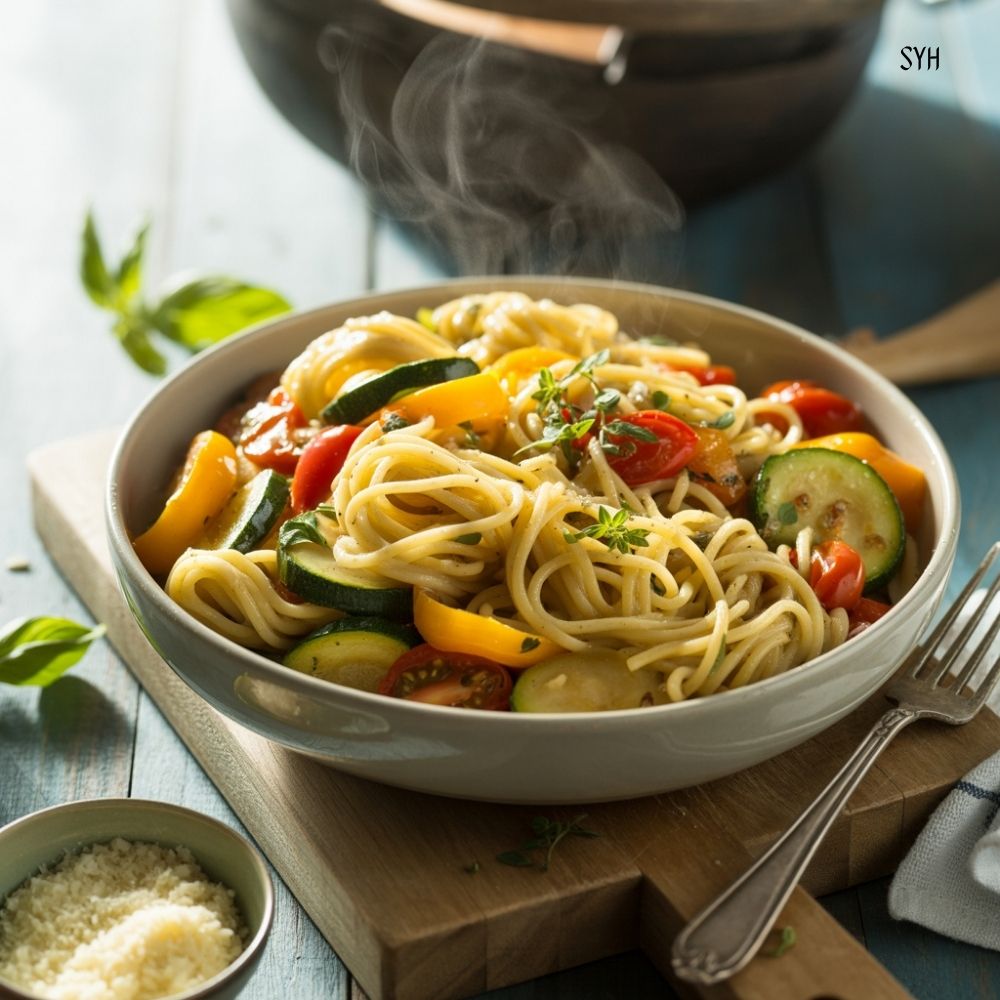
After draining pasta and tossing it with sauce, I let it sit in the warm pot for two to three minutes before serving. I keep the lid slightly ajar and do nothing else.
During that time, the sauce clings better. The flavors feel rounder. Even the texture improves. It tastes like I put in more effort than I did.
For Vegetables
Whether I roast or sauté vegetables, I let them rest on the pan or in a bowl before serving. This softens their edges and brings out their natural sweetness.
I notice this most with simple vegetables like carrots, zucchini, or greens. They taste calmer, less aggressive, more themselves.
For Soups and Stews
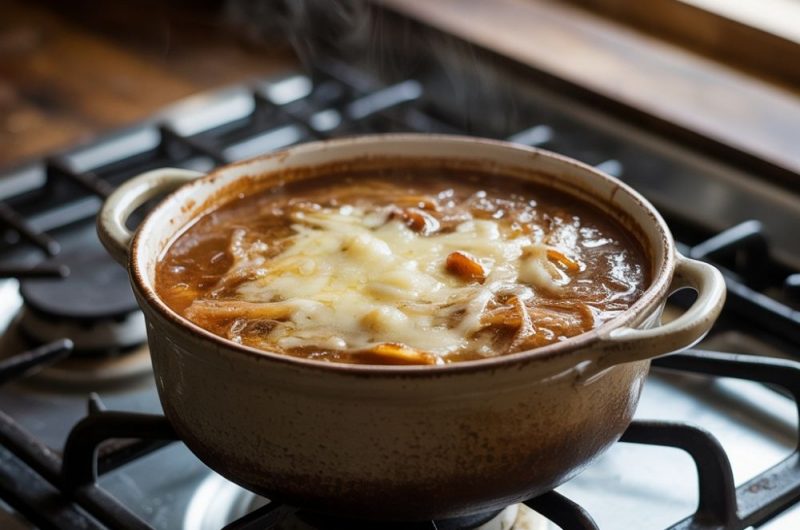
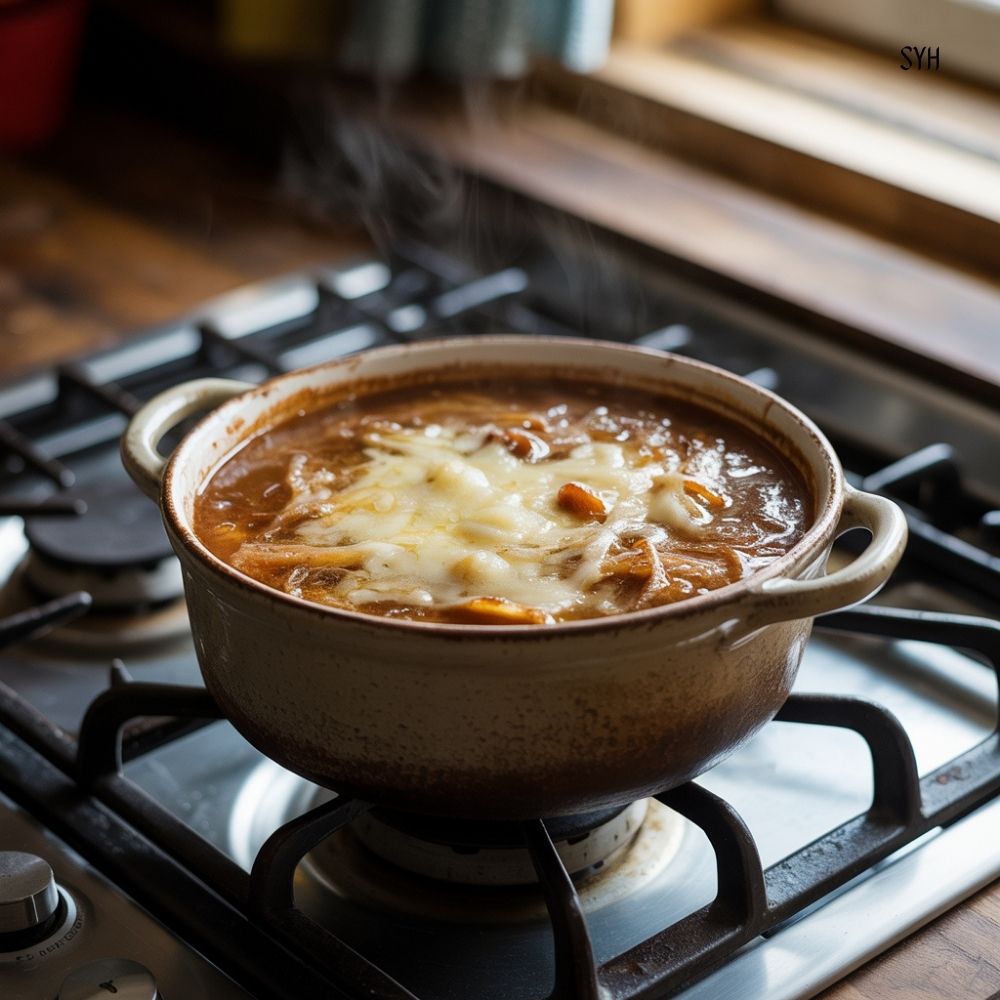
Soups benefit especially from rest. After turning off the heat, I let them sit uncovered for a few minutes, then taste and adjust seasoning if needed.
That pause makes the soup feel finished rather than hurried. Even a basic broth tastes more comforting when it has had time to settle.
Why This Trick Feels So Comforting
What I love most about this habit is that it does not demand anything from me. It does not require better planning or more skill. It simply asks me to stop for a moment.
That pause signals care. It tells my body that the meal is something to receive, not something to rush through. The comfort comes as much from the rhythm as from the taste.
This is especially helpful on days when I feel emotionally tired. The food meets me where I am.
When I Don’t Do It
There are nights when I skip this pause, when hunger wins and I serve immediately. I always notice the difference, not in a dramatic way, but in a subtle one.
The food still tastes fine, but it does not linger. Those nights remind me why this habit matters, not because it is essential, but because it is kind.
Why This Isn’t About Perfection
This trick is not about cooking better or becoming more refined. It is about making space for flavor and for myself.
I do not time it precisely. I do not worry if it is longer or shorter. I trust my senses. When the food feels ready, so am I.
That trust is what makes the habit sustainable.
How This Changed My Evenings
Since adopting this quiet pause, evenings feel less hurried. Cooking blends more gently into eating. Eating blends more gently into resting.
There is a continuity now that makes the day feel complete. I am no longer jumping abruptly from task to task. I am allowing moments to close properly.
This has made even simple dinners feel like a form of care rather than a requirement.
Final Thoughts
The quiet trick that makes simple meals taste better is not a secret technique or a clever hack. It is a pause. A small, intentional moment of waiting that allows flavors and feelings to settle.
In letting food rest, I learned to rest too, just briefly, just enough to notice what is already there.
Sometimes, the most comforting improvements come not from doing more, but from allowing ourselves to slow down and let simple things become complete.