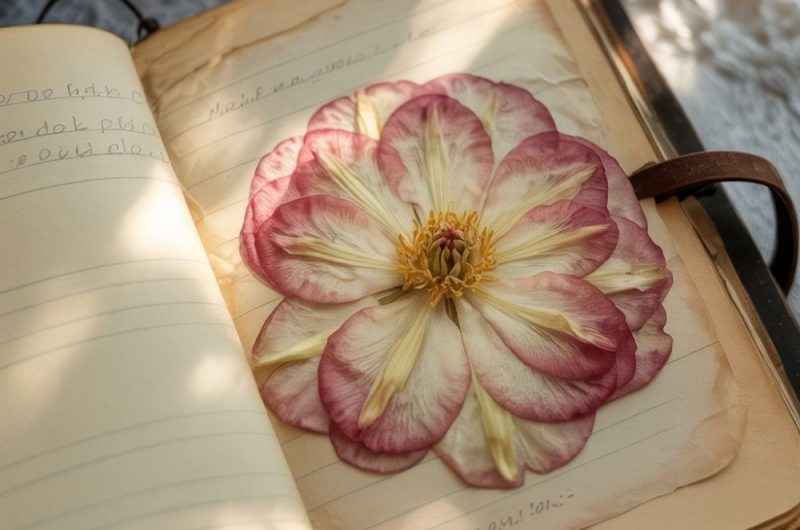
Pressing flowers was something I associated with beauty and nostalgia, something you did to preserve how lovely a moment looked. I liked the idea of it more than the practice itself.
When I finally started pressing flowers regularly, I thought the reward would be visual, something pretty to look at later, something that would feel quietly accomplished.
Pressing flowers slowly became less about creating something aesthetic and more about learning how to pay attention, to pause long enough to really see what was in front of me. Somewhere along the way, it stopped being a craft I did and became a habit that changed how I moved through ordinary days.
This is the story of how that shift happened, and how pressing flowers taught me that attention, more than beauty, is what gives meaning to the things we choose to keep.
Why I Started Pressing Flowers
I started pressing flowers during a season when I felt overstimulated and slightly disconnected from myself. My days were full of tasks, screens, and small responsibilities that leave little room for reflection. I wanted a creative practice that felt calming and tangible, something that did not require productivity or performance.
Pressing flowers felt like the perfect answer. It was slow, physical, and uncomplicated. All I needed were flowers, a book, and patience.
I imagined myself collecting blooms, arranging them carefully, and eventually creating something beautiful and meaningful. At that point, my motivation was still rooted in outcome. I wanted something to show for my time, even if it was small.
That expectation shaped how I approached the practice at first, and it also limited what I noticed along the way.
The Early Focus on How Things Looked
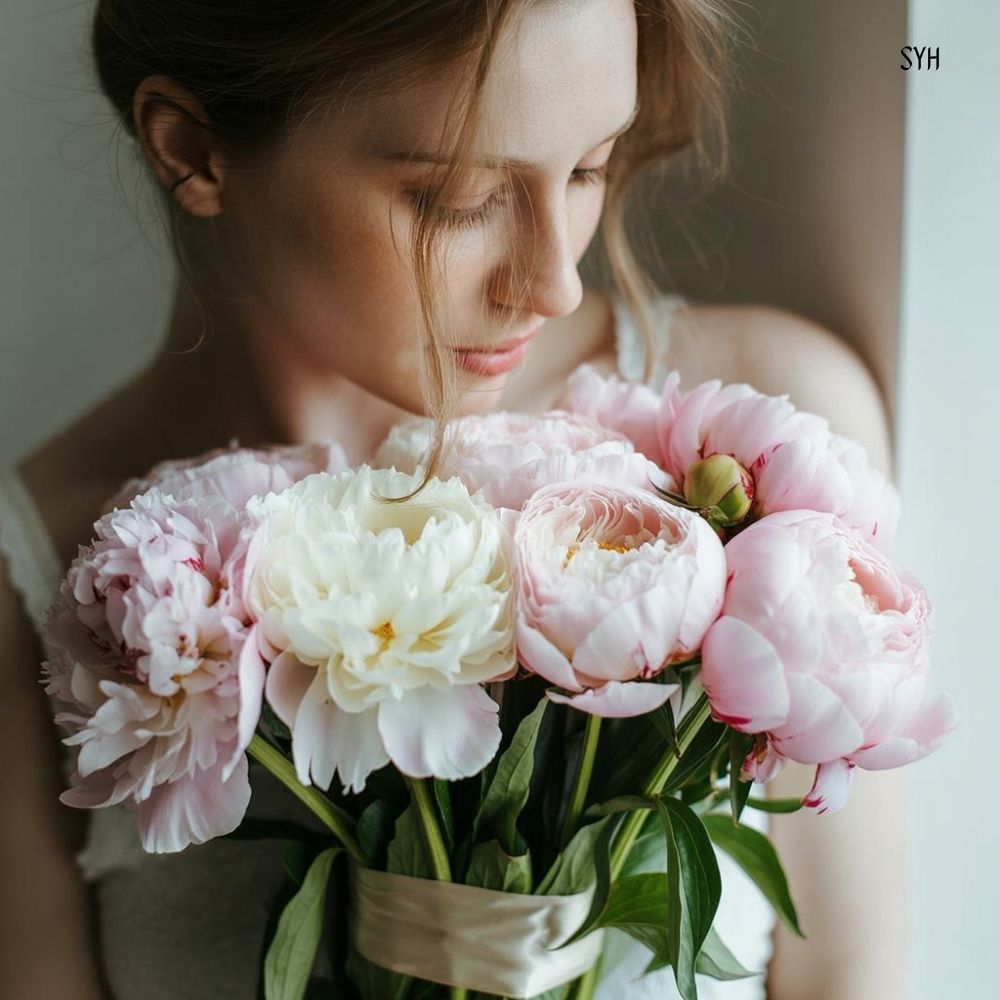
In the beginning, I chose flowers based on appearance alone. I reached for the most colorful petals, the most symmetrical shapes, and the blooms that I thought would press well. I worried about creasing, fading, and imperfections, carefully arranging each flower so it would look right once flattened.
When I checked on them days later, I felt a small thrill when they turned out as expected, and a quiet disappointment when they did not. Some flowers lost their color, others became brittle or uneven, and I found myself judging the results instead of enjoying the process.
At the time, I did not question this reaction. It felt natural to evaluate what I had made. But slowly, I began to notice that the most satisfying part of pressing flowers was not the finished result. It was the moment of choosing them, the pause required to notice what was growing, blooming, or fading around me.
Learning to Notice Before Collecting
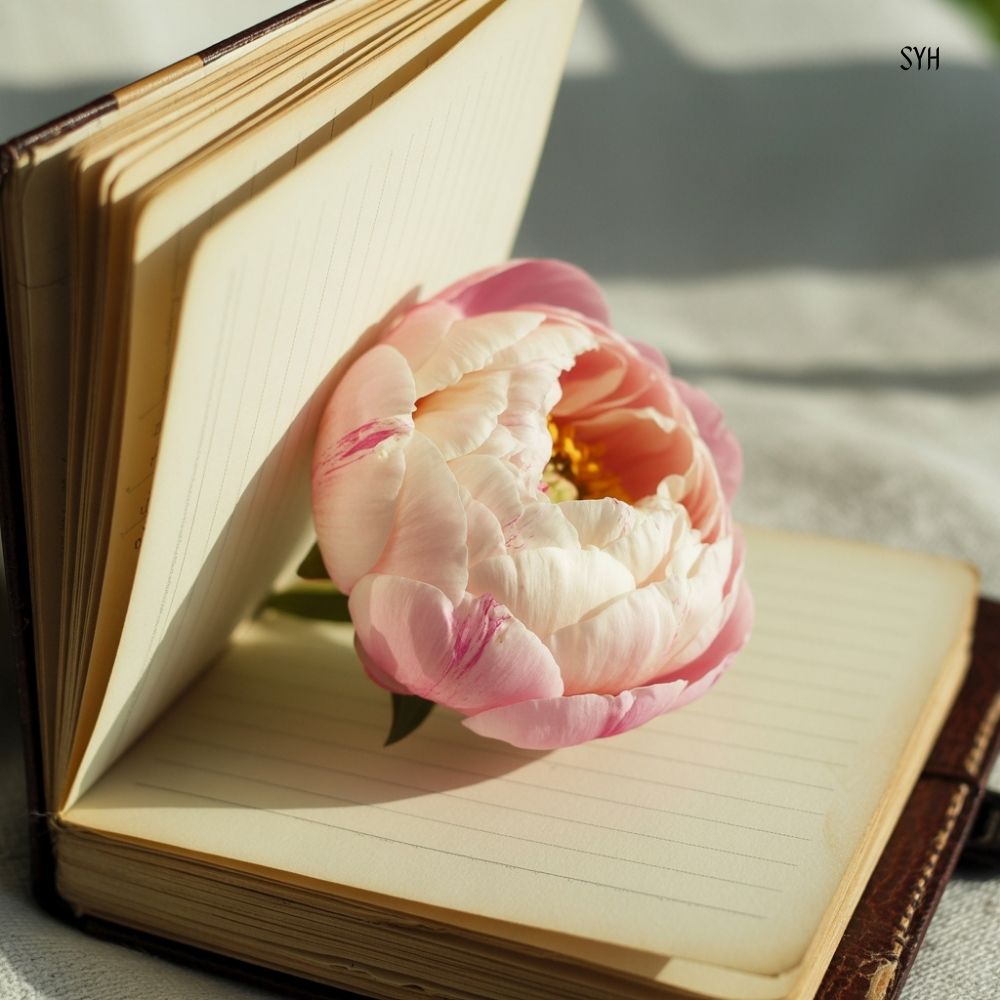
The shift happened gradually, through repetition rather than intention. As I pressed more flowers, I started paying closer attention before picking them. I noticed which ones I passed every day without seeing, growing quietly along familiar paths or resting unnoticed in corners of gardens.
I began to pause before collecting anything, asking myself why I was drawn to a particular flower. Sometimes it was the color, but often it was something subtler, like the way it leaned toward the light or how it had survived a sudden change in weather. That pause changed the entire experience.
Pressing flowers became less about capturing beauty and more about acknowledging presence. The act of noticing felt complete on its own, even before the flower was ever placed between pages.
Pressing Flowers as a Form of Attention
Over time, I realized that pressing flowers had become a way of practicing attention. It required me to slow down, to observe without rushing, and to engage with my environment in a way that felt grounded and present.
This attention extended beyond the flowers themselves. I noticed how the light changed throughout the day, how seasons shifted subtly rather than abruptly, and how my own energy ebbed and flowed alongside those changes.
Pressing flowers trained me to notice without needing to act immediately, and that skill began to influence other parts of my life.
The practice taught me that attention is not passive. It is an active choice to be present, even when nothing remarkable seems to be happening.
What Pressed Flowers Hold Now
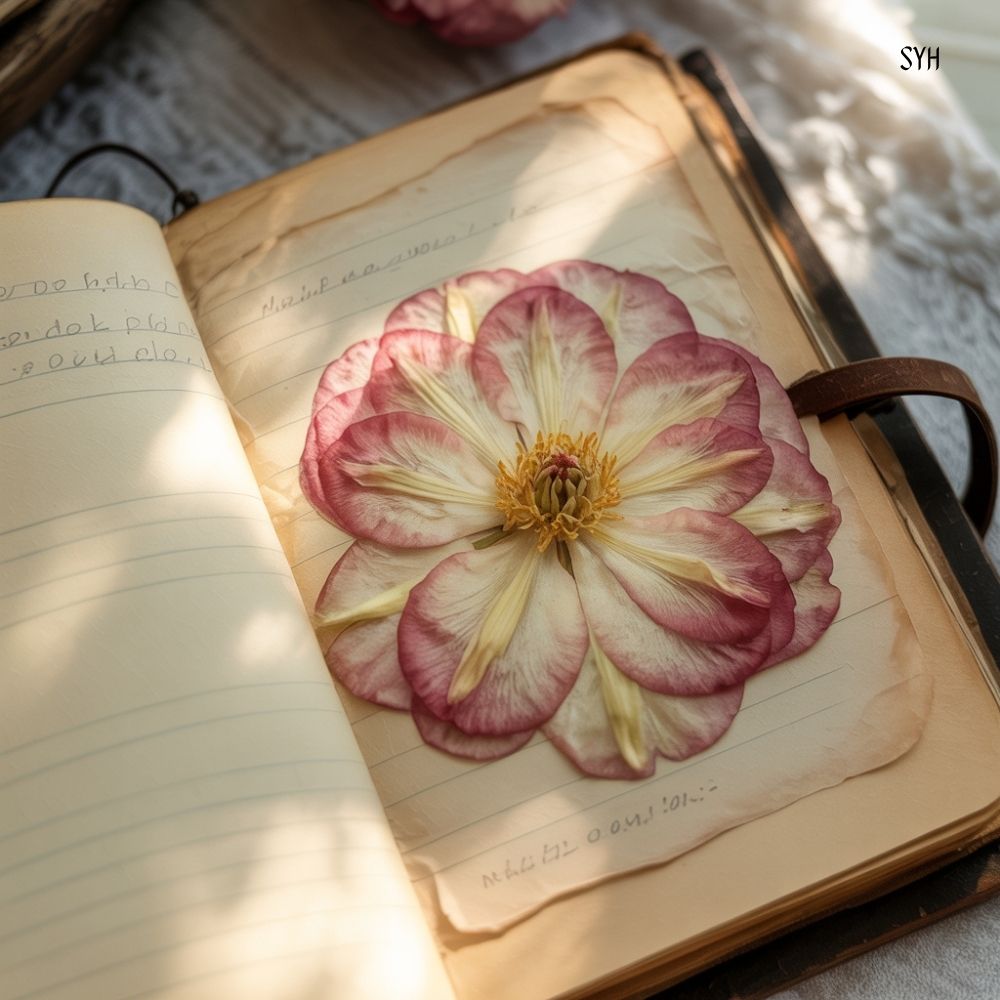
When I look at my pressed flowers now, I do not see a collection of finished pieces. I see moments of attention. Each one holds the memory of when I noticed it, where I was, and how I felt in that moment.
Some flowers remind me of ordinary days made meaningful by awareness. Others mark transitions, seasons, or emotional shifts. None of them are perfect, and that is part of what makes them valuable. They are records of presence rather than attempts at preservation.
In this way, pressing flowers has become a personal archive of attention, a way of remembering how I moved through time rather than how something looked at its peak.
How This Practice Changed Me
The biggest change pressing flowers brought into my life was not creative, but perceptual. I began to notice more, not only in nature but in conversations, routines, and my own emotional responses. I became more comfortable with slowness, with observing without needing to label or judge.
This shift helped me feel more connected to my surroundings and to myself. It softened my relationship with time and reduced the constant urge to produce or improve. Pressing flowers reminded me that noticing is enough, and that attention itself can be a form of care.
That understanding has influenced how I approach creativity, relationships, and even rest.
Final Thoughts
Pressing flowers became meaningful to me not because of how the finished pages look, but because of how the practice changed the way I see. It taught me that attention is a skill that can be cultivated gently, through small, repetitive acts that invite presence rather than demand results.
In learning to press flowers without focusing on aesthetic perfection, I learned to pay closer attention to my life as it unfolds. That awareness has been grounding, comforting, and quietly transformative.
Sometimes the most meaningful things we keep are not the ones that look the best, but the ones that remind us we were truly paying attention when they entered our hands.