I believed saving time in the kitchen meant moving faster. Cooking quickly. Cleaning efficiently. Multitasking until dinner appeared almost by force. Even when meals turned out fine, I often felt slightly unsettled afterward.
What I eventually realized is that rushing and saving time are not the same thing. Rushing leaves my body tense and my mind scattered. Saving time, when done gently, can actually make the kitchen feel calmer, warmer, and more supportive.
The shift happened slowly, through small changes I barely noticed at first, until one day I realized I was cooking more smoothly and finishing earlier, without ever feeling hurried.
This is how I save time in the kitchen now, not by pushing myself, but by working with my natural rhythm and letting ease lead the way.
When Speed Became the Goal
There was a season when I treated cooking like something to get through. I would start dinner already thinking about the next task, already anticipating the cleanup, already trying to minimize how long it all took. I was technically efficient, but emotionally disconnected.
The strange thing was that the more I tried to speed up, the more mistakes I made. I forgot ingredients, overcooked simple things, and created more mess than necessary. Time slipped away anyway, just with added frustration.
That pattern showed me something important. My kitchen did not need urgency. It needed flow.
Redefining What “Saving Time” Means
Saving time, for me now, means reducing friction. It means fewer interruptions, fewer decisions, and fewer moments of stopping to fix something that could have been avoided gently.
Instead of asking how fast I can cook, I ask how smoothly I can move. That question changed everything. Smooth movement naturally saves time, and it feels infinitely kinder to my body.
Once I reframed it this way, small habits began to matter more than big changes.
The First Shift: Preparing for Ease, Not Perfection
One of the simplest ways I save time is by preparing my kitchen for use before I start cooking. I do not lay everything out or follow a strict order. I simply take a quiet minute to make sure the space feels ready.
I clear the counter where I will work. I wash my hands slowly. I take out the pan or pot I know I will need. This small pause prevents the scattered feeling that comes from stopping and starting repeatedly.
This preparation does not add time. It removes hesitation, which is far more draining.
Choosing Familiar Meals on Ordinary Days
I used to believe variety was essential, that repeating meals meant boredom or lack of creativity. What I learned instead is that familiarity is one of the greatest time savers there is.
On most days, I cook meals I know well. My hands remember the steps. My eyes recognize when something is ready. I do not have to think as much, which allows me to move naturally and calmly.
I save new recipes for days when I actually want to explore. On ordinary days, familiarity gives me freedom.
Letting One Thing Cook While I Do Another
Multitasking used to mean doing everything at once. Now it means letting one thing lead.
When something is simmering, roasting, or baking, I resist the urge to fill every second with activity. I use that time intentionally, but gently. I wash a few dishes. I prepare something simple for later. I wipe the counter.
Because I am not rushing, these small tasks flow into the cooking instead of interrupting it. By the time the food is ready, much of the cleanup is already done, without stress.
The Quiet Power of Lower Heat
One of the most surprising ways I save time is by cooking at slightly lower heat. High heat demands attention. It asks to be watched, stirred, adjusted constantly.
Lower, steadier heat allows me to step back. Food cooks more evenly. I make fewer mistakes. I do not have to hover.
This does not slow things down as much as you might think. In fact, it often speeds things up by preventing burning, splattering, and last minute corrections.
Keeping Tools Within Reach
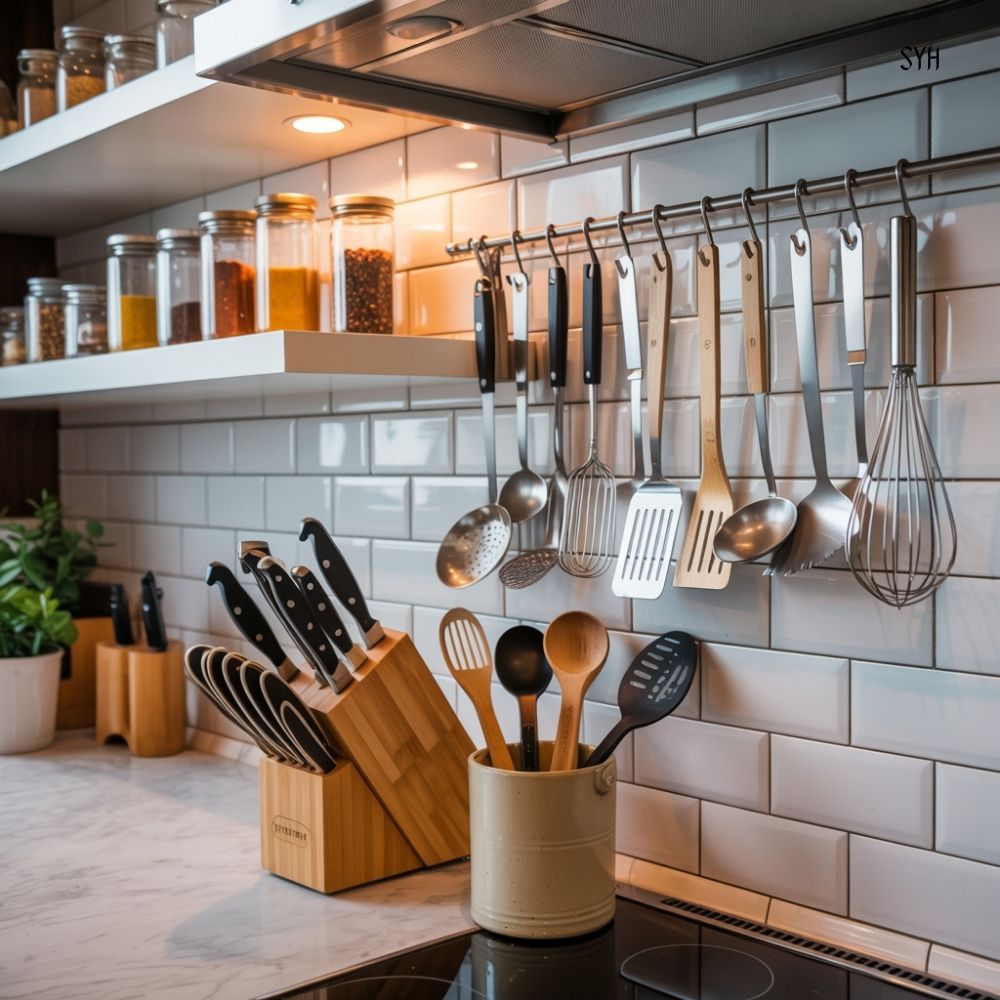
I used to underestimate how much time I lost searching for things. A spoon. A towel. A lid. Each interruption broke my rhythm.
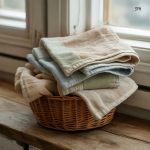
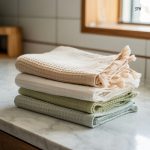
Now, I keep a small cluster of essentials near me while cooking. A wooden spoon. A soft kitchen towel. A bowl for scraps.
This setup is simple, but it allows me to move continuously. Continuity is where time is saved without rush.
Cleaning As a Gentle Companion
Cleaning used to feel like a separate event that waited impatiently for me at the end. Now, it moves alongside cooking in small, manageable ways.
I rinse as I go. I wipe spills immediately. I stack dishes instead of leaving them scattered.
This does not feel like multitasking. It feels like caring for the space while I use it. When the meal is done, the kitchen is already calm.
A Few Elowen Kitchen Hacks I Rely On
I keep a small bowl by the sink for scraps so I never stop mid step to throw things away.
I choose meals that use one main pan whenever possible, not out of efficiency obsession, but out of kindness to my future self.
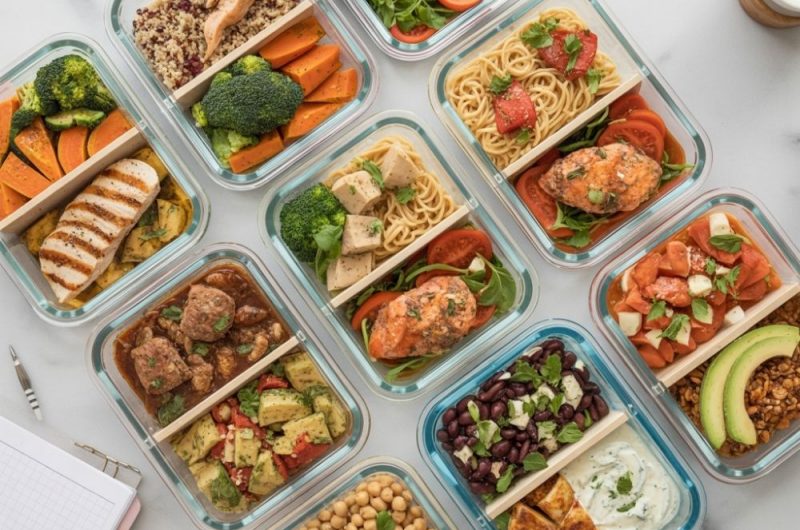
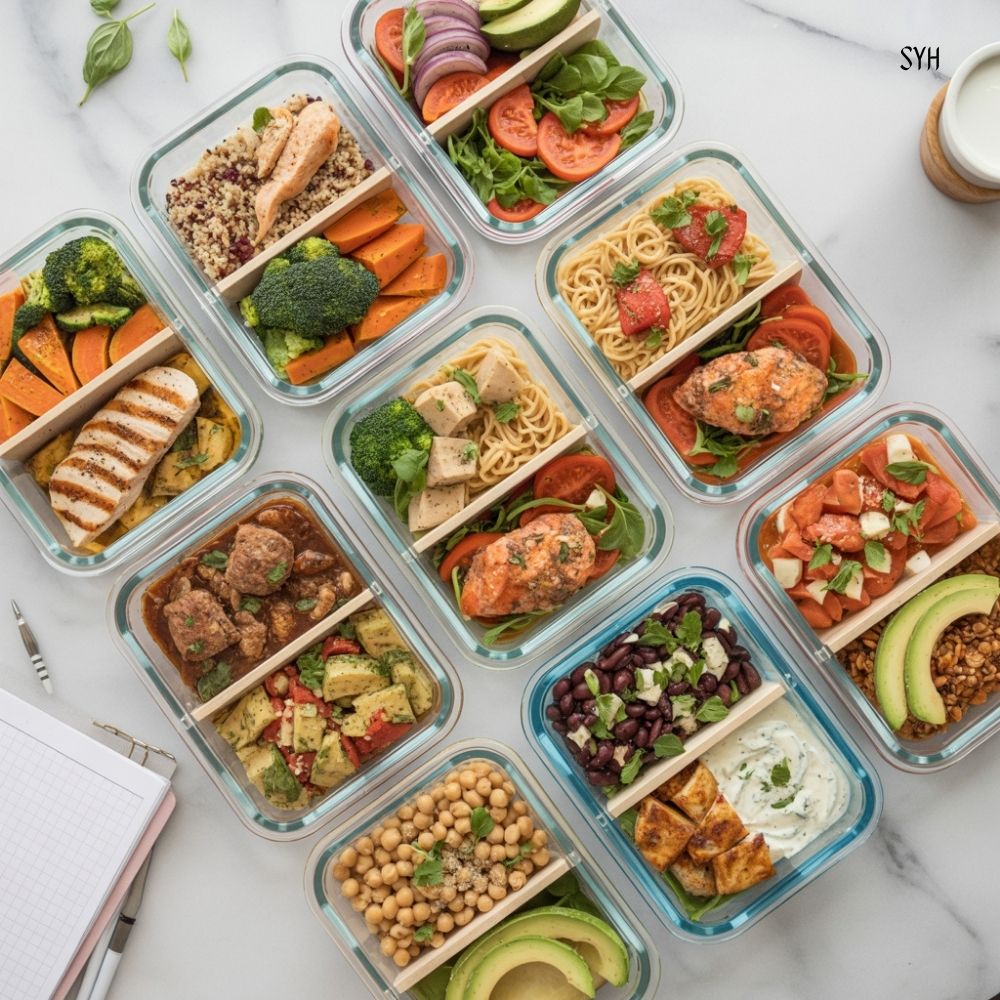
I prepare extra grains or roasted vegetables once or twice a week so weeknight meals come together quietly.
I always let food rest before serving, which saves time emotionally by preventing rushed eating and the desire to fix things at the table.
How This Changed How I Feel While Cooking
The biggest difference is how my body feels. My shoulders stay relaxed. My breath stays steady. I am no longer bracing myself against time.
Cooking feels less like a task to complete and more like a rhythm I step into. When I move this way, time stops feeling like something I am chasing.
Ironically, that is when it starts cooperating.
Why This Balance Matters to Me
Saving time without rushing matters because it respects my energy. It allows me to care for myself while caring for my home. It reminds me that efficiency does not have to come at the cost of gentleness.
This balance spills into the rest of my day. When I cook calmly, I eat calmly. When I eat calmly, my evenings soften.
Everything feels more connected.
Final Thoughts
How I save time in the kitchen without rushing myself is not a system or a strategy. It is a relationship with rhythm. By choosing smoothness over speed and gentleness over urgency, I found that time naturally stretches to meet me.
Cooking no longer feels like something I need to hurry through to get to rest. It has become part of rest itself.
Sometimes, the fastest way through something is to move with care, trust your hands, and let time soften around you.