There are days when I feel open and conversational, when I do not mind explaining my choices, my mood, or even the small shifts happening inside me. And then there are other days, quieter days, when I want to move through the world without narrating myself.
On those days, I reach for the same lip color almost without thinking, as if my hand already understands what I need before I do. It sits somewhere in between, soft but present, calm without fading away.
I did not choose it because it made a statement, and I did not choose it because it felt safe in the traditional sense. I chose it because it allowed me to exist comfortably without asking questions of me or inviting them from others.
This lip color has become a small but meaningful habit, one that reflects how I relate to myself on days when I need quiet confidence rather than reassurance.
When I Realized Not Every Day Needs a Conversation
For a long time, I approached beauty as a form of communication. I chose colors based on the mood I wanted to project or the version of myself I felt expected to present.
Bright lips felt expressive. Soft lips felt approachable. Neutral lips felt forgettable. At least, that is how I framed it in my mind.
What I did not realize was how often I felt slightly exhausted by that constant translation. Even on days when nothing was wrong, I noticed a subtle desire to be left alone emotionally, not in a distant way, but in a self contained one. I wanted to feel present and capable without offering explanations or context.
The first time I reached for this particular lip color on one of those days, I was not trying to make a point. I simply wanted something that felt finished without feeling loud, something that let me move through the day without adjusting myself to be more readable.
That choice stayed with me longer than I expected.
The Lip Color Itself
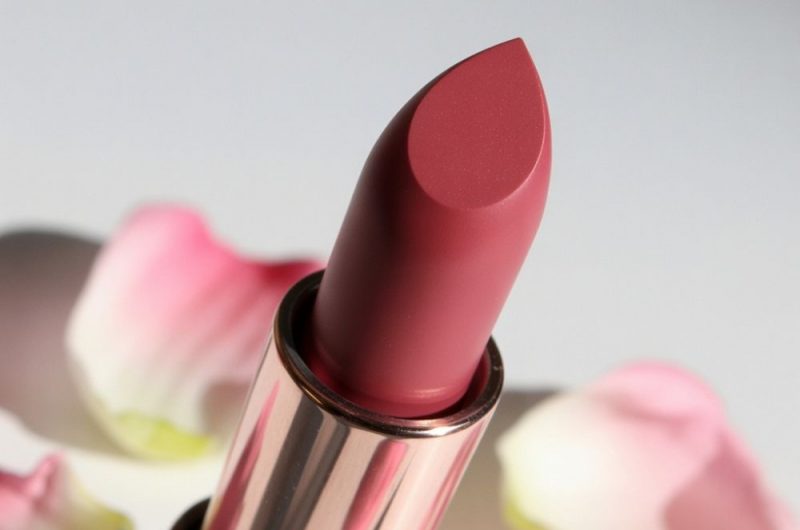
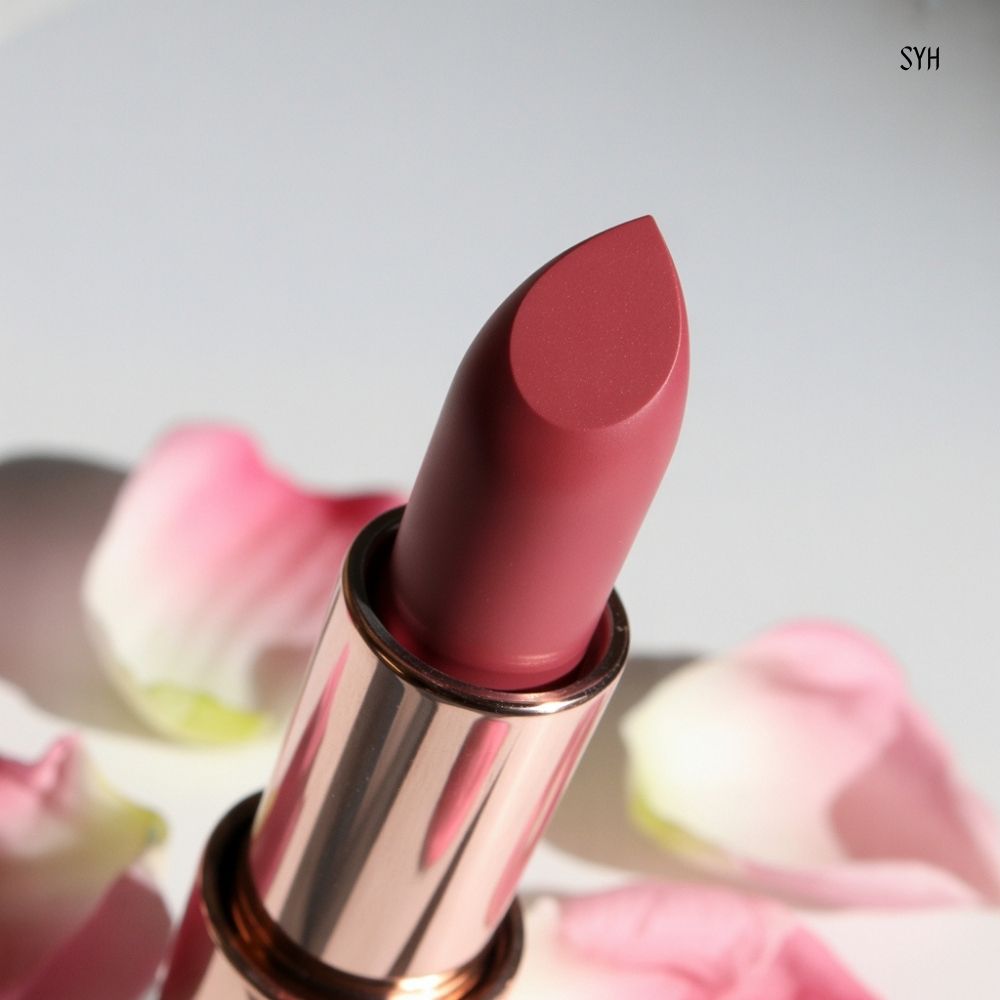
The lip color I reach for when I do not want to explain myself is muted, but not dull. It carries warmth without sweetness and depth without drama. On my lips, it looks like a quieter version of myself rather than a performance of confidence or softness.
What matters most to me is how it feels when I wear it. It does not require frequent checking or touch ups. It does not announce itself every time I catch my reflection. It simply stays, doing its job, allowing me to focus on the day rather than my appearance.
This reliability is part of what makes it feel grounding. On days when my emotions feel layered or private, I appreciate not having to manage one more thing. The color becomes part of me instead of something I am wearing.
What Wearing It Signals to Me
More than anything, this lip color signals permission. Permission to exist as I am without softening myself for comfort or sharpening myself for credibility. When I apply it, I am not preparing to be understood, I am preparing to be present.
There is something deeply relieving about that distinction. It allows me to move through conversations without feeling the need to explain my tone or justify my energy. I can be kind without being overly accommodating. I can be quiet without being misunderstood.
This small habit reminds me that confidence does not always look assertive or expressive. Sometimes it looks like knowing what you need and honoring it quietly.
Identity Without Performance
One of the most unexpected things this lip color taught me was how much of my identity I had been performing without realizing it. Not in a dramatic way, but in subtle adjustments meant to make myself easier to interpret.
On days when I wore brighter or more expressive shades, I often felt a gentle pressure to match the energy they suggested. I smiled more, spoke more, and filled space even when I did not feel called to. With this lip color, that pressure dissolves. It allows my identity to be steady rather than reactive.
Wearing it feels like choosing alignment over impression. I am not trying to appear confident or soft. I am simply allowing myself to be both, depending on the moment.
How This Habit Formed Naturally
I did not decide to make this lip color my default in any deliberate way. It happened slowly, through repetition and comfort. I noticed that on days when I felt emotionally full or introspective, this was the color I reached for. Over time, that pattern became a habit.
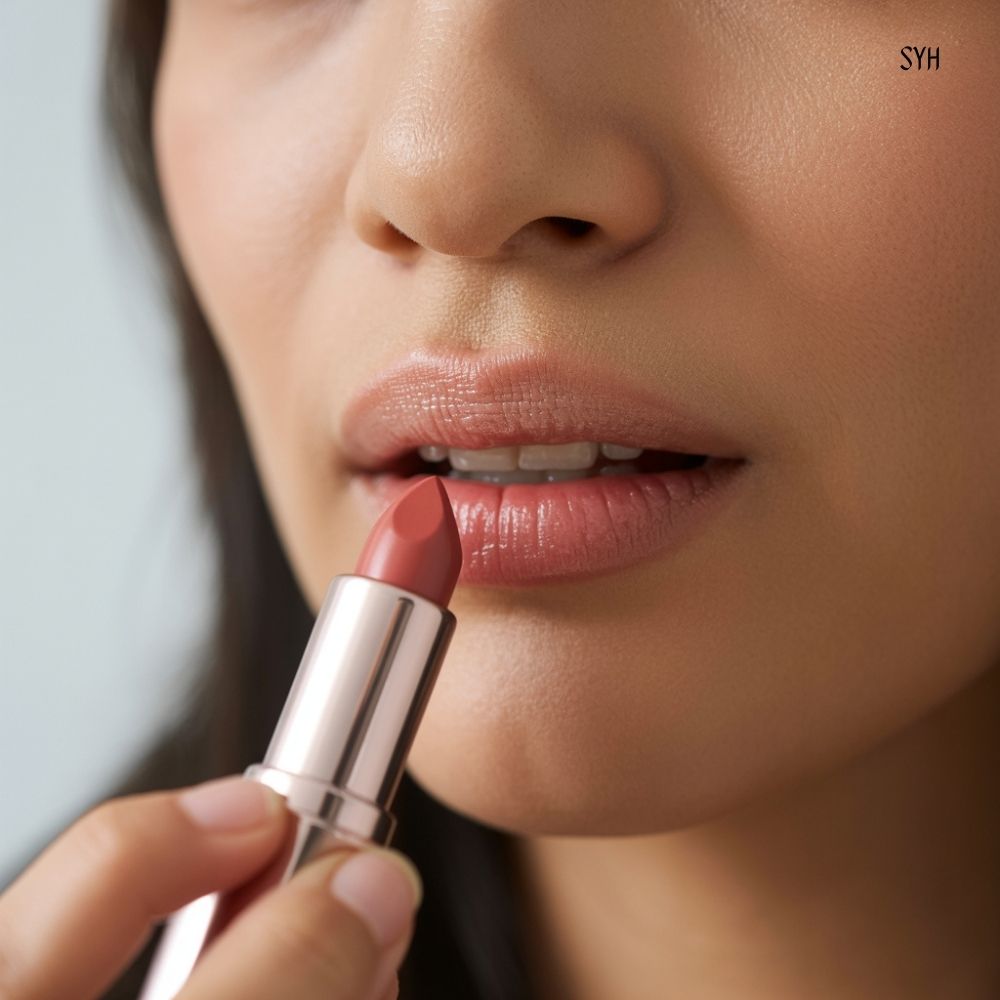
Now, it lives in the most accessible place in my routine. It is the first thing I apply when I want to feel grounded, and often the only product I wear on days when I want simplicity. The habit feels earned rather than assigned, which is why it has lasted.
Habits that form this way tend to be the most revealing. They show us who we are becoming without asking us to declare it out loud.
What It Changed About How I See Beauty
This experience changed how I think about beauty choices in general. I stopped asking what a product says about me to others and started asking what it offers me internally. That shift made my routine feel more supportive and less performative.
I began choosing products that felt stabilizing rather than expressive, especially during seasons when my energy felt inward. This did not make my routine boring or predictable. It made it responsive to my real needs.
Beauty became less about broadcasting and more about anchoring, and that difference has been quietly transformative.
When I Do Choose Something Different
There are still days when I reach for other lip colors. When I feel playful, open, or celebratory, I enjoy choosing shades that reflect that energy. The difference now is that those choices feel intentional rather than habitual.
Because I have this steady option to return to, experimentation feels lighter and less loaded. I am no longer using color to compensate for how I feel. I am responding to it instead.
This balance has made my relationship with beauty more intuitive and forgiving.
Final Thoughts
The lip color I wear when I do not want to explain myself is not just a beauty preference. It is a reflection of how I am learning to honor my inner boundaries and trust my sense of self.
Through this simple habit, I discovered that confidence does not always need expression, and identity does not always need articulation.
By choosing something that feels steady and supportive, I gave myself permission to move through the world without over explaining or over performing. That permission has been quietly powerful, shaping not only how I present myself, but how I relate to myself.
Sometimes, the most meaningful choices are the ones that help us stay close to who we are, even when we are not ready to put it into words.