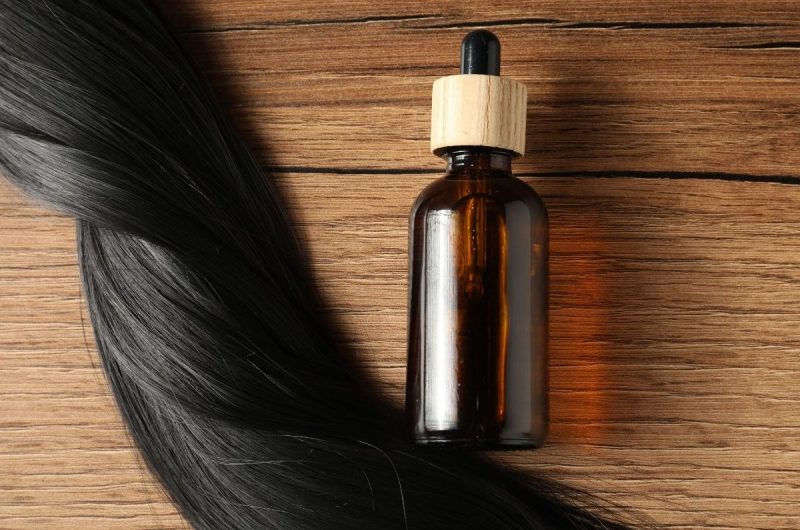
If TikTok were a dermatologist, everyone would have waist-length hair by now. Rosemary oil regrows edges in weeks. Rice water transforms density overnight. Slick sticks create model-off-duty perfection in seconds. Growth serums promise visible results in 30 days.
The algorithm rewards dramatic before-and-after clips, not biological nuance. The problem is not that these products are useless. The problem is that viral storytelling compresses months of hair biology into 30 seconds of confidence.
Hair grows slowly. Scalp conditions vary. Film-forming wax looks great under studio lighting but behaves differently in humidity. Without context, hype fills the gap where science should be.
This guide evaluates four major viral categories using available research, ingredient logic, and realistic performance expectations. Each section includes what the product can actually do, what it cannot do, and who it may genuinely help.
1. Rosemary Oil for Hair Growth
Trend Claim: Natural oil that regrows hair and rivals medical treatments
Rosemary oil exploded across TikTok after users compared it to prescription hair growth solutions. The claim most frequently cited is that rosemary oil performs similarly to minoxidil.
That claim originates from a 2015 randomized comparative study published in Skinmed Journal, which compared rosemary oil to 2% minoxidil in men with androgenetic alopecia over six months.
The study concluded that both groups experienced a significant increase in hair count, with no significant difference between the two groups at the six-month mark. This study is real. However, context matters.
Source: https://pubmed.ncbi.nlm.nih.gov/25842469/
First, the sample size was relatively small. Second, the comparison was against 2% minoxidil, not the more commonly used 5% strength. Third, six months is required to see measurable change. TikTok timelines rarely reflect that.
What Rosemary Oil Can Do
Rosemary oil may stimulate circulation when massaged into the scalp. Increased blood flow theoretically supports follicle function. It also has anti-inflammatory and antimicrobial properties, which may benefit certain scalp conditions.
The National Center for Biotechnology Information notes rosemary’s antioxidant and anti-inflammatory activity in various biological contexts.
Source: https://pubmed.ncbi.nlm.nih.gov/26207168/
For mild thinning or temporary shedding due to stress, rosemary oil may offer modest support when used consistently over several months.
What It Cannot Do
Rosemary oil does not override genetic pattern baldness in advanced stages. It does not create new follicles. It does not deliver visible density change in two weeks.
Improper use can also irritate the scalp. Essential oils must be diluted in carrier oils. Undiluted application increases risk of contact dermatitis.
Verdict
Worth trying for early thinning or scalp health support, but only with realistic expectations and consistent use for at least 3–6 months. It is not a miracle replacement for clinically tested medical therapies.

2. Rice Water Products
Trend Claim: Ancient secret that strengthens hair and boosts growth
Rice water has historical roots in East Asian beauty practices, often cited in connection with the Yao women of Huangluo village in China. The interest centers around rice water’s starch and inositol content.
A study published in the International Journal of Cosmetic Science found that inositol, a carbohydrate present in rice water, can penetrate damaged hair and reduce surface friction.
Source: https://pubmed.ncbi.nlm.nih.gov/12378131/
That is where the science becomes important.
What Rice Water Can Do
Inositol may temporarily strengthen hair by penetrating the shaft and reducing friction. Reduced friction can mean less breakage during brushing.
Fermented rice water also contains amino acids, which may lightly condition the surface. Some users report increased shine and smoothness after rinsing.
What It Cannot Do
Rice water does not stimulate new hair growth at the follicle level. It does not significantly alter growth rate. It does not thicken strands biologically.
Excessive protein exposure from frequent rice water use may cause stiffness in protein-sensitive hair. Hair that feels “stronger” after rice water is often experiencing temporary reinforcement, not permanent density change.
Verdict
Rice water may reduce breakage in damaged hair, which can make hair appear fuller over time. It is not a growth accelerator. Moderation is key, especially for low-porosity or protein-sensitive hair.

3. Slick Stick Waxes
Trend Claim: Instantly smooth flyaways and create sleek buns
Slick stick waxes are solid wax-based products packaged like oversized lip balms. They are designed to smooth baby hairs and control flyaways.
These products typically contain waxes, fatty alcohols, and film-forming polymers that coat the hair surface. Film-forming agents like PVP create hold by forming a flexible layer around strands.
What Slick Sticks Can Do
They smooth frizz instantly. They are convenient for travel. They create a clean, polished hairline for buns and ponytails. For short-term styling, they are effective.
What They Cannot Do
They do not treat frizz at its source. They do not improve hair health. They do not add moisture. Frequent layering without proper cleansing can cause buildup, especially around the hairline. Heavy wax accumulation may require clarifying shampoo to remove fully.
Verdict
Excellent for occasional sleek styles or professional looks. Not intended for daily full-head application. Best used sparingly and removed thoroughly.
4. Hair Growth Serums
Trend Claim: Fast regrowth and thicker hair in weeks
Hair growth serums vary dramatically in formulation. Some contain peptides and botanical extracts. Others contain minoxidil, which is FDA-approved for certain types of hair loss. The FDA confirms that topical minoxidil is approved for treating androgenetic alopecia in both men and women.
Source: https://www.fda.gov/consumers/consumer-updates/losing-your-hair-what-you-can-do
Minoxidil works by prolonging the anagen (growth) phase of hair follicles. Results typically require at least 3–6 months of consistent use.
Peptide-Based Serums
Some non-minoxidil serums contain peptides designed to support follicle health. Evidence for peptide-based growth stimulation is less robust compared to minoxidil.
While peptides may improve scalp condition, large-scale clinical data supporting dramatic regrowth claims remain limited.
What Growth Serums Can Do
- Improve scalp environment
- Potentially reduce shedding in early stages
- Support thicker appearance over time
What They Cannot Do
- Deliver instant density
- Replace medical intervention for advanced hair loss
- Permanently regrow hair without continuous use
Stopping minoxidil, for example, typically results in gradual loss of regrown hair.
Verdict
Growth serums containing minoxidil have strong clinical backing. Botanical and peptide serums may support scalp health but should not be equated with pharmaceutical treatments.
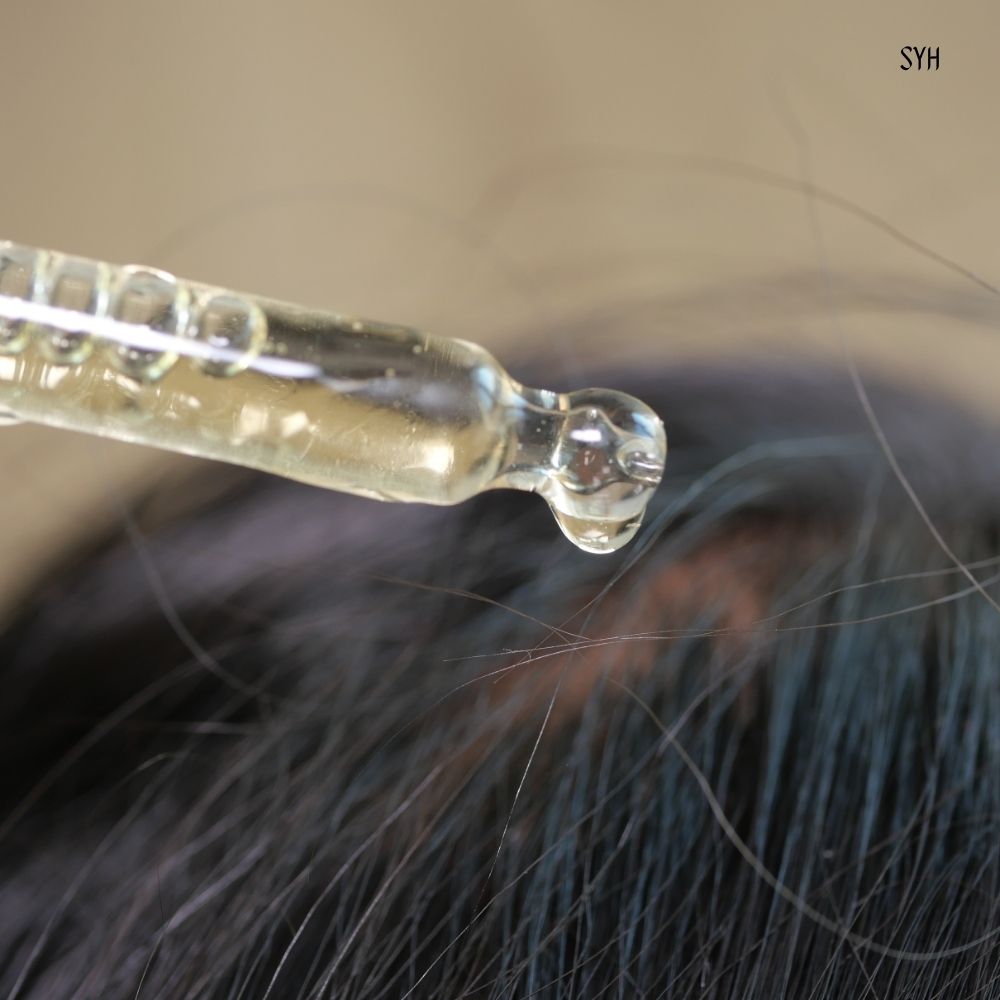
Why Viral Products Feel More Effective Than They Are
TikTok compresses time. It edits lighting. It highlights dramatic results. It rarely shows consistent six-month usage or individual variability. Hair growth occurs at an average rate of approximately half an inch per month.
Source: American Academy of Dermatology — https://www.aad.org/public/everyday-care/hair-scalp-care/hair/hair-growth
Any product promising dramatic length changes in 30 days should be viewed skeptically. Most viral success stories involve:
- Improved breakage control
- Better styling technique
- Lighting changes
- Temporary smoothing effects
These changes are real but not always biological transformations.
Final Separation of Hype vs Performance
Rosemary oil: modest potential support, slow results, requires consistency.
Rice water: breakage reduction, not follicle growth stimulation.
Slick stick waxes: cosmetic smoothing only.
Hair growth serums: minoxidil-backed products have evidence; others vary widely.
The most effective hair improvements usually come from a combination of:
- Scalp health maintenance
- Controlled heat styling
- Reduced mechanical damage
- Proper cleansing
- Medical evaluation when needed
Viral products can enhance routines. They rarely replace foundational hair biology.