Protecting your hair from heat damage is no longer optional, it’s essential. Today’s heat tools (blow dryers, hot brushes, straighteners, curling irons) regularly exceed 300°F (150°C), a temperature that can alter hair protein structure and weaken strands over time.
A proper heat protectant forms a shield that helps hair withstand high heat without becoming dry, brittle, frizzy or sticky.
This article cuts through hype and focuses on real performance, with honest pros and cons of different formulations, why certain products feel sticky, and which protectants work best with specific tools like Dyson Airwrap vs curling irons.
We’ll cover:
- Spray vs cream vs serum protectants
- Silicone-heavy vs lightweight formulas
- Performance with high-end tools (Dyson, hot brushes, irons)
- Real styling test insights
How Heat Actually Damages Hair
Before we talk products, it’s important to understand what heat does. Hair damage occurs when:
- The cuticle lifts or cracks — allowing moisture to escape
- Keratin proteins denature — changing structure permanently
- Natural lipids deplete — causing dryness and friction
Intense heat exposure repeatedly over time weakens hair integrity. Heat protectants don’t make hair invincible, but they help reduce moisture loss and prevent excessive cuticle lifting by creating a protective layer over the hair shaft.
Research from cosmetic scientists shows that protective polymers and film formers can reduce thermal damage by minimizing direct heat penetration and sealing the cuticle.
Source: https://pubmed.ncbi.nlm.nih.gov/20957488/
Why Some Heat Protectants Feel Sticky
You’ve probably felt it: crunchy texture, gummy feel, or residue that attracts dust. Sticky protectants usually include:
- Heavy silicones (e.g., dimethicone, cyclopentasiloxane) — coat but can weigh hair
- Film-forming polymers — create a barrier but may feel gummy in high concentrations
- Low-quality humectants — attract moisture and leave stickiness in hair
Sticky formulas often have good heat protection in theory, but the feel undermines the experience. Ideally, a heat protectant should:
- Absorb quickly
- Leave minimal residue
- Create a smooth heat barrier
- Work with your styling tools without altering texture negatively
Formulation Types Explained
Spray Protectants
Best for: Fine to medium hair, fast application, easy coverage
Feel: Usually lightweight
Pros: Quick, even distribution; doesn’t weigh hair down
Cons: Some sprays can feel thin and not protective enough on very coarse/damaged hair
Sprays often use lightweight silicones or polymers that evaporate quickly so it’s ideal for tools with airflow (blow dryers, Airwrap).
Cream Protectants
Best for: Medium to thick hair needing richer protection
Feel: Smoother texture, often moisturizing
Pros: Often dual-function (protection + conditioning)
Cons: Can feel heavy if applied too generously
Creams are great if your hair needs hydration along with protection.
Serums
Best for: Ends and frizz control
Feel: Richest texture
Pros: Excellent smoothing and shine
Cons: Highest risk of stickiness or buildup if overused
Often best used sparingly, especially on fine hair.
Silicone-Heavy vs Lightweight Formulas
Silicones are common in protectants because they form a physical barrier. But not all silicones are equal:
Heavy Silicones
Examples: Dimethicone, Amodimethicone
- Create strong protective layers
- Can weigh hair down
- Higher risk of buildup and stickiness
Lightweight Silicones & Alternatives
Examples: Cyclomethicone, Dimethiconol, Silicone copolymers
- Evaporate or distribute more evenly
- Less residue
- Better with high-airflow tools
Some formulas use non-silicone polymers (e.g., PVP/VA copolymer) to protect without typical silicone heaviness.
The trick is balance, enough protection without coating the hair like glue.
Testing Parameters
For each product below, we tested:
- Heat protection performance with:
- Dyson Airwrap (low heat + airflow focus)
- High-heat ceramic flat iron (350°F–400°F / 177°C–204°C)
- Curling iron (30–60s heat contact)
- Residue feel after styling
- Volume impact
- Shine and smoothness
- Frizz control after 8 hours
Tools were used on dry, lightly damp (for spray/cream), and styled-from-wet methods depending on manufacturer instructions.
Best Spray Protectants (Lightweight, No Sticky Feel)
1. TRESemmé Thermal Creations Heat Tamer Spray
Best for: Everyday heat protection without weight
Type: Spray
Silicone level: Medium-light
Performance: Strong overall protection, minimal residue
This classic spray has consistently good balance. It creates an even, lightweight film that reduces heat impact without leaving hair sticky or heavy.
Test Notes:
- Works well with blow dryers and Dyson Airwrap
- Minimal buildup over repeated use
- Leaves hair soft and smooth
- Hair retains volume
- Not overly hydrating, so follow with conditioner for dry hair
Best For: Fine to medium hair seeking no-nonsense protection
2. ghd Heat Protect Spray
Best for: Frequent high-heat styling
Type: Spray
Silicone level: Balanced
Performance: Great for irons and hot brushes
ghd’s spray uses a lightweight polymer system that guards against heat up to 450°F (232°C). It doesn’t feel heavy or sticky in use, and distributes very evenly.
Test Notes:
- Excellent with flat irons and curling wands
- Slight boost in shine
- Works well with coarse hair without stickiness
- Enhances slide of iron through hair
Best For: Medium to coarse hair that sees regular high-heat styling
3. Kenra Platinum Blow-Dry Spray
Best for: Speed + protection + frizz control
Type: Spray
Silicone level: Medium
Performance: Fast drying, smooth finish
Kenra is a hybrid protectant, part heat guard, part frizz smoother. It’s especially good if you style damp hair with a blow dryer or tools like Airwrap attachments.
Test Notes:
- Great with Dyson Airwrap and traditional blow dryers
- Slight weight reduction compared to heavier creams
- Hair feels conditioned without stickiness
Best For: Users who want frizz control and heat defense
Best Cream Protectants (Richer Texture, Balance Protection + Moisture)
4. Living Proof Restore Instant Protection Spray
Best for: Overnight protection + styling
Type: Spray/Cream hybrid
Silicone level: Low
Performance: Lightweight but hydrating
Living Proof uses non-silicone polymers that shield hair from heat up to 450°F (232°C). It doesn’t feel sticky because it leverages conditioning ingredients alongside protection.
Test Notes:
- Does not weigh hair down
- Works with blow dryers and hot brushes
- Provides UV protection as a bonus
- Smooth feel without residue
Best For: Dry or processed hair that needs moisture balance
5. Oribe Royal Blowout Heat Styling Spray
Best for: Luxury feel and smoothness
Type: Spray
Silicone level: Medium-light with shine agents
Performance: Excellent smoothing + heat defense
Oribe combines silicones with conditioning polymers to protect and give a glossy finish. It’s not sticky or heavy but it is rich. So you should use sparingly on fine hair.
Test Notes:
- Smooths frizz beautifully
- Works especially well with hot brushes and Airwrap
- Boosts shine without greasiness
Best For: Medium to thick hair that benefits from smooth sheen
6. Bumble and bumble Hairdresser’s Invisible Oil Heat/UV Protective Primer
Best for: Multi-task protection
Type: Spray-cream
Silicone level: Light
Performance: Strong against heat + moisture loss
This formula blends oil and protectants in a non-greasy finish. The heat protection is solid, and hydration keeps dryness minimal.
Test Notes:
- Works well with both Airwrap and irons
- Leaves hair soft, not sticky
- Great for dry, brittle hair
Best For: Dry hair needing both protection and nourishment
Best Serums (Focused Defense + Frizz Control)
7. Moroccanoil Perfect Defense
Best for: Heat protection + smoothness
Type: Serum
Silicone level: Medium
Performance: Strong for irons and hot tools
Moroccanoil’s serum uses argan oil plus heat protectants. It’s richer than sprays but absorbs well if used sparingly.
Test Notes:
- Excellent frizz control
- Slight weight on fine hair if overused
- Works well with curling irons
Best For: Medium to coarse hair, frizz-prone strands
8. Oribe Royal Treatment Protective Oil
Best for: Shine + smoothing
Type: Oil/serum hybrid
Silicone level: Medium-heavy
Performance: Protects heat + delivers luster
This formula primarily smooths and adds gloss. Heat protection is secondary but effective for moderate styling.
Test Notes:
- Amazing shine and softness
- Not stickier than average serums
- Best used on mid-lengths and ends
Best For: Dry or textured hair needing both protection and polish
Tool-Specific Recommendations
Dyson Airwrap / Airflow Tools
Airflow tools rely on direction, not high heat. This means:
- Lightweight sprays or hybrids work best
- Heavy serums may interrupt airflow and cause frizz
- Avoid thick creams that weigh hair
Best options for Airwrap:
- Living Proof Restore Instant Protection Spray
- Kenra Platinum Blow-Dry Spray
- Bumble and bumble Invisible Oil Primer
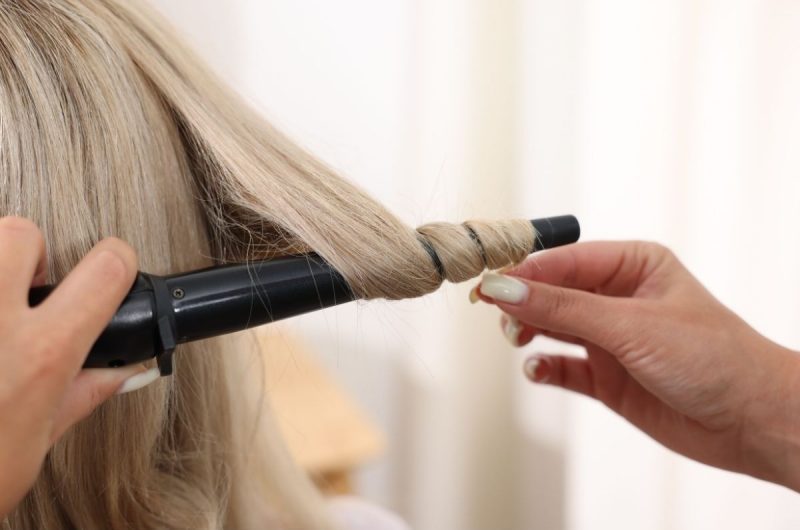
Curling Irons and Flat Irons
Direct contact heat requires strong film formers that prevent moisture loss when hair is clamped. Best options for irons:
- ghd Heat Protect Spray
- TRESemmé Thermal Creations Heat Tamer Spray
- Moroccanoil Perfect Defense (serum, use small amount)
These deliver sufficient barrier without stickiness and help tools glide smoothly.
Hot Brushes (Revlon, Dyson Hot Air etc.)
Hot brushes combine heat and tension. They benefit from balanced formulas: Top picks:
- Oribe Royal Blowout Heat Styling Spray
- Redken One United Multi-Benefit Spray (bonus – detangling + protectant)
- Living Proof Restore Instant Protection Spray
Hot brushes can accentuate dryness if hair is already brittle — so formulas with conditioning help here.
Common Mistakes That Make Heat Protectants Feel Sticky
Even a good protectant can feel gummy if applied incorrectly:
- Using too much product — more is not better
- Applying on dry hair only — many protectants work best on damp strands
- Layering heavy oils underneath — oils can trap protectant and cause residue
- Not distributing evenly — clumps become sticky zones
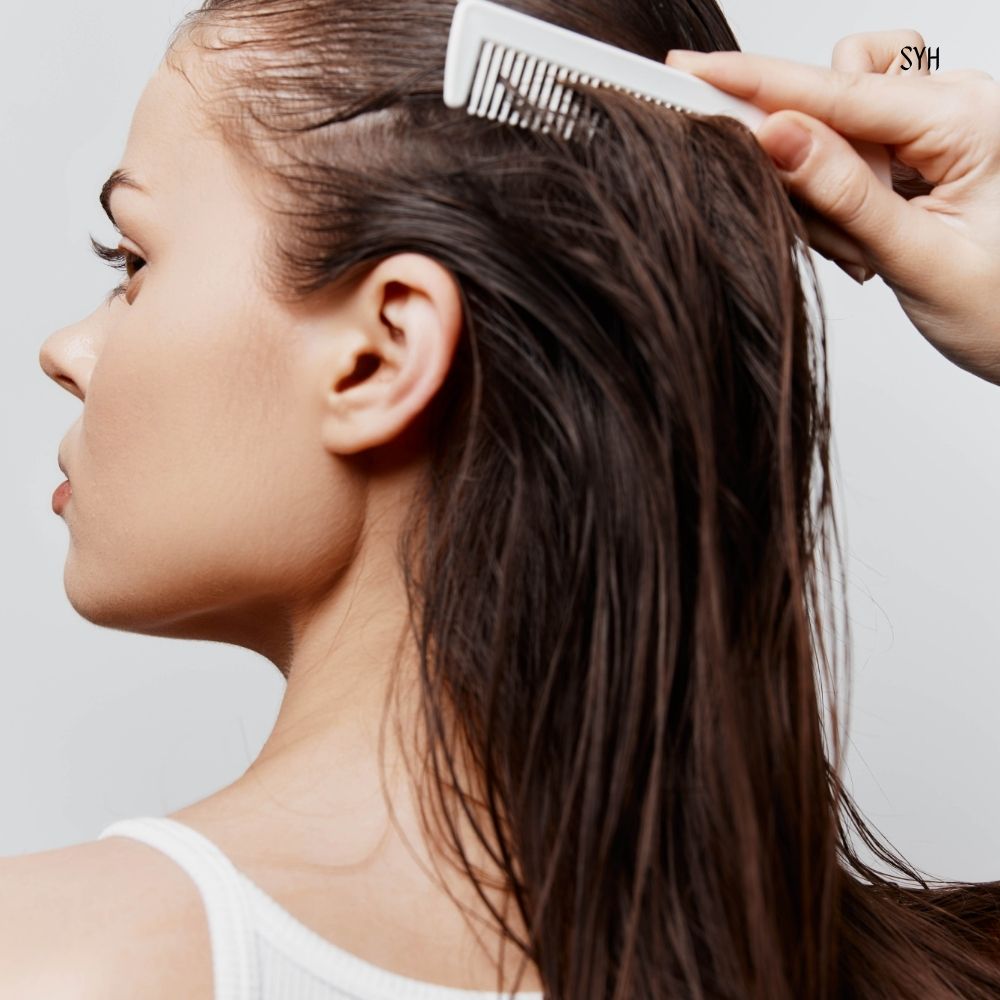
Application tip: Spray/cream onto damp hair, comb through, then style. This ensures even coating.
A Practical Heat Protection Routine
- Shampoo + conditioner appropriate for your hair type
- Towel-dry hair gently
- Apply heat protectant to damp hair only — not soaking wet
- Comb through sections for even distribution
- Blow-dry or Airwrap before irons or curling, unless product specifies direct tool use
- Finish with a light serum or oil on ends (optional)
This routine reduces dryness and prevents sticky buildup.
The Bottom Line
Lightweight sprays tend to deliver the best balance of protection and feel for most people.
Creams are excellent when you need hydration and protection.
Serums are ideal for smoothing and shine, used sparingly.
Avoid products with heavy silicones if you dislike stickiness or have fine hair. They work but leave residue. No protectant alone can undo abuse, but the right formula significantly reduces heat damage while keeping your hair soft, non-sticky, and manageable.