Every year, “trend” reports flood social media, but most of them recycle the same looks with slightly different names. Real trend shifts are not about micro-changes in parting direction. They are about silhouette, texture, and how hair moves in real life.
In 2026, the shift is clear: hair is moving toward softness, lived-in dimension, and effort that looks effortless. Precision still matters, but rigidity does not. High-maintenance glam is losing ground to controlled natural texture. The overall aesthetic favors polish without stiffness.
Here is what is truly gaining momentum and what is quietly aging your look.
Soft Layers vs Blunt Cuts
What’s In: Soft, Invisible Layers with Structure
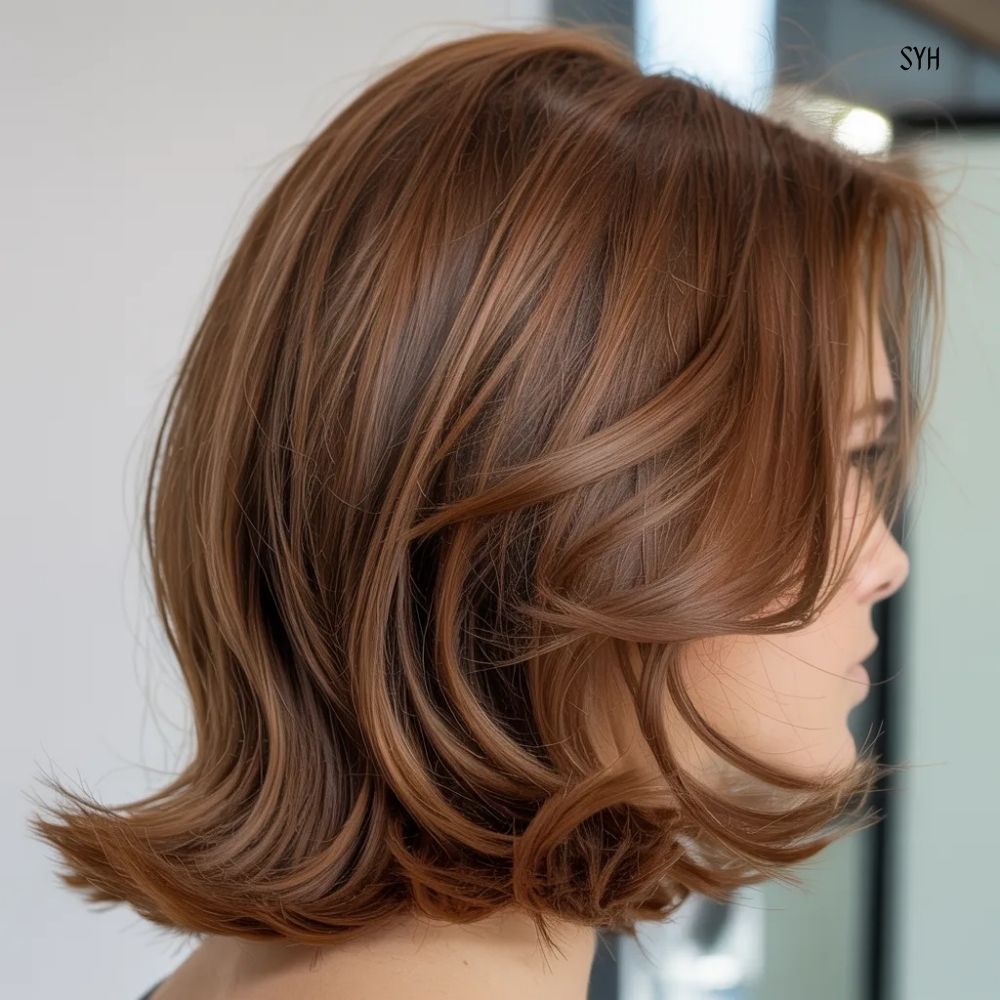
The modern layered cut is not the dramatic, feathered explosion of the early 2000s. Nor is it the heavily thinned, razored-out style that leaves fine hair looking sparse. The 2026 version of layering is strategic, internal, and subtle.
Soft layers are designed to create movement without obvious separation. They build lift around the crown while preserving density at the ends. The shape feels fluid rather than choppy. When done correctly, the hair looks fuller without looking “cut.”
This shift aligns with broader runway and editorial styling trends toward movement and texture rather than rigid geometry. Fashion coverage from recent runway seasons consistently shows layered, natural-flowing hair rather than extreme one-length cuts.
Source: Vogue Runway Beauty Coverage – https://www.vogue.com/fashion-shows
Why this works in 2026:
- Hair looks lighter but not thinner
- Volume appears natural, not forced
- Blowouts hold shape without heavy teasing
- Air-drying looks intentional rather than accidental
Soft layers also adapt better to multiple styling methods. Whether worn straight, wavy, or natural, the cut maintains shape.
What’s Dated: Ultra-Hard Blunt Cuts on Everyone
Blunt cuts had a strong moment over the last few years, especially in collarbone-length bobs and sharp long styles. The problem is not that blunt cuts are inherently outdated. The issue is overuse and misapplication.
When every hair type is given a razor-sharp perimeter regardless of density, the look becomes flat and predictable. On fine hair, a blunt cut can add fullness. On thick hair, it can create heaviness that drags down the face.
The 2026 aesthetic favors customization. A rigid one-length cut without internal structure now reads slightly heavy unless it is intentionally minimal and paired with extremely sleek styling.
Blunt cuts are not disappearing. They are simply becoming more nuanced. The harsh, overly geometric perimeter with zero movement feels less current compared to softened edges with dimension.
Lived-In Color vs Harsh Highlights
What’s In: Lived-In, Dimensional Color
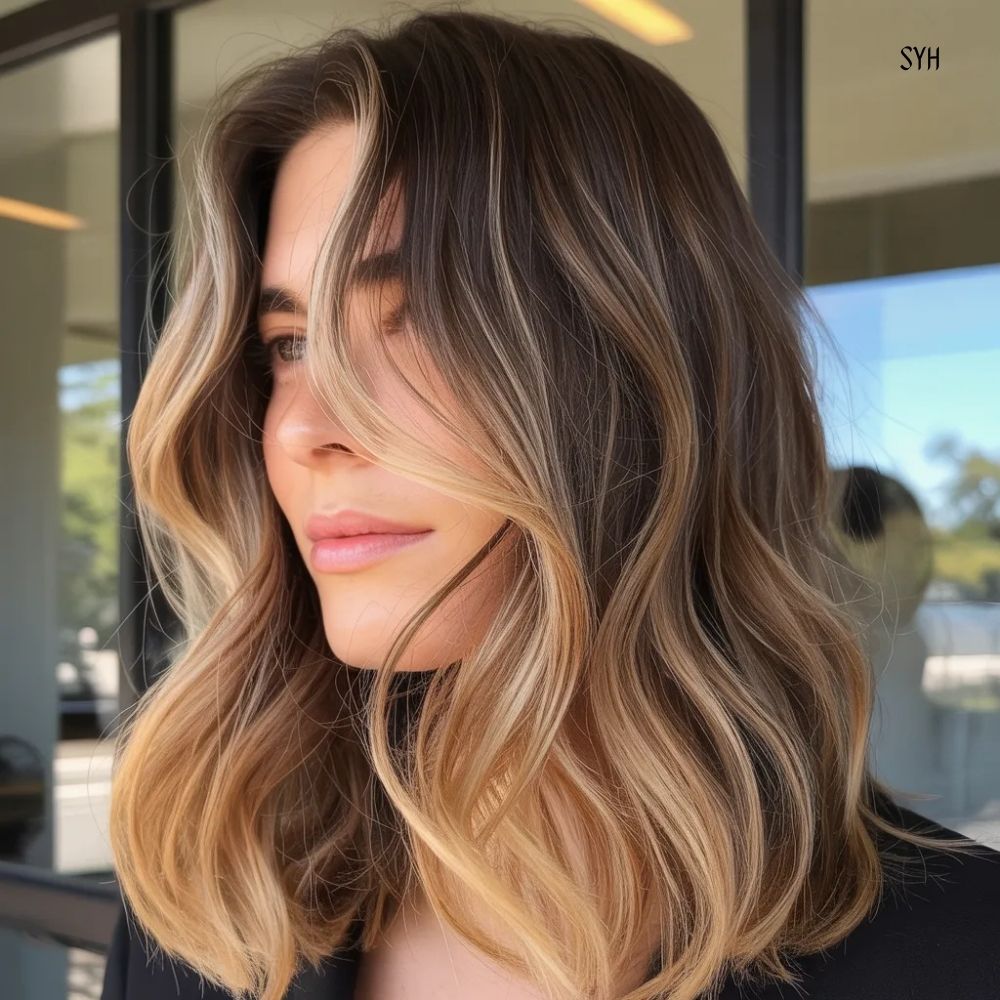
The biggest color shift is toward dimension that grows out gracefully. High-contrast striping is losing popularity. Instead, colorists are leaning into techniques that mimic natural light reflection. Lived-in color includes:
- Soft balayage
- Diffused root melts
- Subtle face-framing brightness
- Tones blended seamlessly
The effect is expensive but not loud. Hair looks sun-touched rather than salon-striped.
Balayage and freehand painting techniques have been widely adopted because they allow for softer transitions and lower maintenance compared to traditional foil highlights. This shift reflects a broader consumer preference for lower-maintenance beauty routines. People want hair that looks good at month three, not just week one.
Why it works:
- Regrowth is less obvious
- Tone fades more naturally
- Dimension enhances texture
- Overall look feels modern and wearable
What’s Dated: Harsh, High-Contrast Foil Highlights
Chunky highlights have resurfaced in niche trend cycles, but outside of very intentional editorial styling, stark contrast stripes feel dated in everyday wear.
When highlights are too separated from the base color, hair can look artificial rather than dimensional. The effect often emphasizes dryness and damage because lightened pieces appear sharper and less blended.
High-contrast highlighting also demands frequent salon maintenance. In a beauty climate that values effortlessness, constant root upkeep feels excessive. This does not mean bold color is gone. It means the execution has evolved. Modern bold color still requires seamless blending.
Air-Dry Texture vs Over-Styled Curls
What’s In: Refined Natural Texture
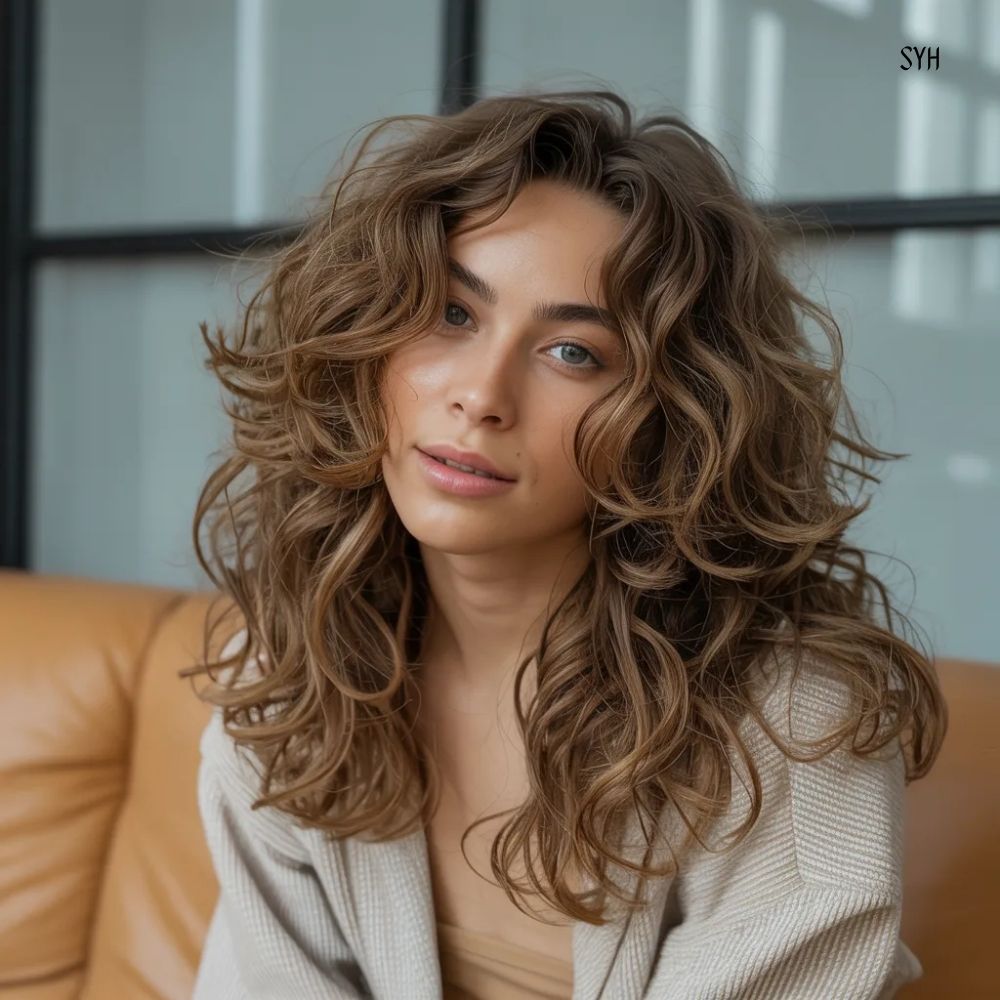
The styling philosophy of 2026 is simple: work with what your hair naturally wants to do, then refine it. Air-dried texture, enhanced with lightweight products and diffused gently, is gaining favor over tightly defined, uniform curls created with high-heat tools.
This shift has been visible across fashion weeks and editorial shoots where models increasingly wear natural waves or soft bends rather than lacquered ringlets.
Source: Harper’s Bazaar Beauty Trend Reports – https://www.harpersbazaar.com/beauty/hair/
Refined natural texture means:
- Embracing slight irregularity
- Allowing bends to form organically
- Avoiding stiff curl patterns
- Reducing excessive hairspray
The result feels relaxed but intentional.
What’s Dated: Over-Styled, Uniform Curls
Perfectly identical curls from root to tip, sprayed into place, are losing appeal outside of formal events.
Over-styling often creates a helmet-like appearance, especially when heavy hairspray locks strands into a rigid shape. The finish can look overly deliberate and disconnected from modern fashion aesthetics.
In 2026, movement is more important than perfection. Hair that shifts naturally when you move feels current. Hair that remains frozen does not.
The Larger Shift Behind These Trends
The broader direction in 2026 hair trends reflects three underlying themes:
- Lower Maintenance
Color and cuts are designed to grow out gracefully. - Health-Forward Styling
Reduced heat and gentler shaping methods align with increasing awareness about cumulative damage. - Personalization Over Replication
Instead of copying one viral look, clients want cuts and colors adapted to their own density and face shape.
This evolution aligns with a wider beauty industry movement toward long-term hair integrity rather than short-term dramatic transformations.
Who Should Adjust Their Look in 2026?
If your current style includes:
- Razor-thin ends
- High-contrast stripe highlights
- Daily high-heat curling
- Excessively stiff blowouts
It may be time to soften.
If your hair already features:
- Subtle layering
- Blended dimension
- Movement and texture
- Healthy shine
You are already aligned with the direction 2026 is taking.
The Bottom Line
Hair in 2026 is not about dramatic reinvention. It is about refinement. Soft layers outperform rigid geometry. Lived-in color outlasts harsh contrast. Natural movement replaces over-engineered curls.
The goal is not to look styled. The goal is to look intentionally effortless.