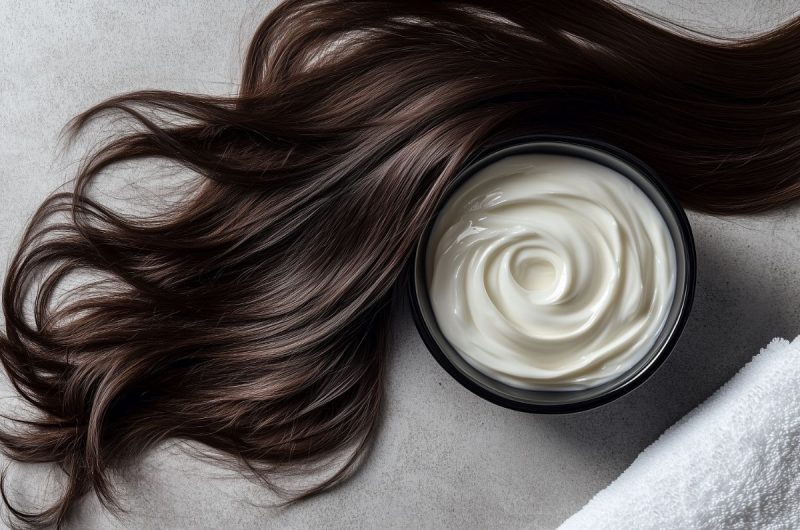
You upgraded your shampoo. You bought the volumizing mousse. You switched to a luxury blow-dry brush. Yet somehow your hair still collapses by noon, clings to your scalp, and refuses to hold lift.
Flat hair is rarely about not owning the “right” product. More often, it is the result of technical mistakes: layering too much, conditioning incorrectly, cutting against your natural density, or ignoring mineral buildup from hard water.
This guide breaks down the four most common causes of flat hair and gives specific, realistic fixes you can apply immediately.
1. Product Layering Mistakes: When More Volume Products Create Less Volume
One of the most common misconceptions about flat hair is that you need more volumizing products. In reality, layering too many styling products creates buildup and weight that counteracts lift.
The Problem
Volumizing shampoos, root sprays, mousses, texturizing sprays, leave-ins, and heat protectants all contain polymers, conditioning agents, or film-formers designed to coat the hair shaft. While each product alone may be lightweight, layering multiple formulas creates a cumulative coating effect.
According to cosmetic chemistry analysis, styling polymers such as PVP (polyvinylpyrrolidone) and acrylates copolymers form films that hold style but can accumulate on the hair surface when not fully removed.
Source: https://chemistscorner.com/pvp-polyvinylpyrrolidone-in-cosmetics/
When film-formers build up, hair becomes coated and heavier, which reduces natural movement and lift.
Signs This Is Your Issue
- Hair feels slightly sticky even when clean
- Volume appears immediately after blow-drying but drops quickly
- You need dry shampoo daily to revive roots
- Hair looks dull despite using shine products
The Fix
Instead of stacking multiple volumizers, simplify. A more effective layering approach looks like this:
- Lightweight shampoo
- Conditioner applied only mid-length to ends
- One root-lifting product
- One heat protectant
Avoid doubling up on mousse and root spray unless hair is extremely fine and freshly clarified. If you already feel buildup, use a clarifying shampoo once weekly.
The American Academy of Dermatology notes that clarifying shampoos can help remove excess product buildup when used periodically rather than daily.
Source: https://www.aad.org/public/everyday-care/hair-scalp-care/hair/choose-shampoo
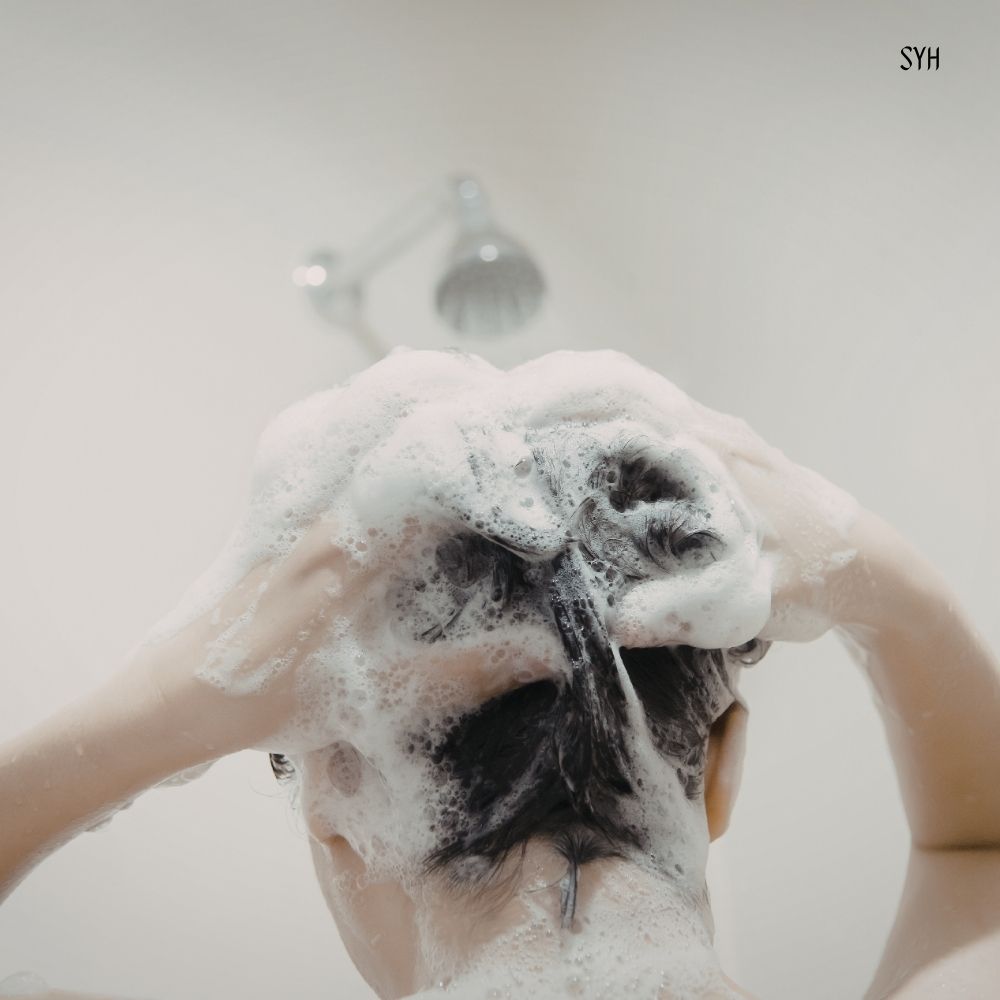
2. Over-Conditioning: The Most Overlooked Volume Killer
Conditioner is essential, but placement and frequency matter.
The Problem
Conditioners contain emollients, fatty alcohols, silicones, and conditioning agents that smooth the cuticle and reduce friction. While this is beneficial for damaged hair, it also increases slip and weight.
Over-conditioning near the roots can collapse fine or medium-density hair.
The International Journal of Trichology explains that excessive conditioning agents can increase hair fiber weight and reduce natural body, particularly in fine hair types.
Source: https://www.ncbi.nlm.nih.gov/pmc/articles/PMC4387693/
Signs You Are Over-Conditioning
- Hair feels soft but lifeless
- Roots look flat within hours
- Scalp feels coated
- Hair refuses to hold curl
The Fix
Adjust placement, not elimination. Apply conditioner from mid-length downward. If hair is fine, use a pea-sized amount per section rather than coating fully.
For very fine hair, alternate between a lightweight conditioner and a leave-in treatment used sparingly only on ends.
If hair is severely damaged but fine, consider protein-focused masks used occasionally instead of heavy daily conditioners. Protein treatments temporarily increase structure, which can improve body when used correctly.
3. The Wrong Haircut for Your Density
No product can compensate for a structurally wrong haircut.
The Problem
If your stylist thins out already fine hair or adds too many layers, you reduce density at the ends. When the perimeter becomes wispy, the entire shape collapses. Similarly, extremely long hair without structural support can drag roots downward.
According to professional styling guidance published by the American Board of Certified Haircolorists, hair density and cut design significantly impact perceived volume.
Signs the Cut Is the Issue
- Ends look thin or stringy
- Volume exists at roots but disappears mid-length
- Hair feels lighter but appears flatter
The Fix
Ask for:
- Blunt perimeter for fine hair
- Invisible layers instead of aggressive thinning
- Collarbone length rather than ultra-long if density is low
- Avoid razor cutting if volume is the goal
Blunt cuts preserve density at the ends, creating the illusion of fullness even before styling. If your hair is very thick, strategic internal layering can help reduce weight without flattening the top. The cut must support your density rather than fight it.
4. Hard Water Buildup: The Hidden Weight on Your Hair
Hard water is an overlooked cause of flat, dull hair.
The Problem
Hard water contains high levels of minerals such as calcium and magnesium. These minerals bind to the hair shaft and create residue that resists regular shampoo removal.
The U.S. Geological Survey defines hard water as water with high dissolved mineral content, particularly calcium and magnesium. Over time, mineral buildup makes hair rough, coated, and heavy.
Source: https://www.usgs.gov/special-topics/water-science-school/science/hardness-water
Signs Hard Water Is Affecting You
- Hair feels rough after washing
- Shampoo does not lather well
- Color fades quickly
- Volume disappears despite proper styling
The Fix
Install a shower filter designed to reduce mineral deposits. Additionally, use a chelating shampoo once every two to four weeks. Chelating agents such as EDTA bind to mineral ions and help remove buildup. EDTA is commonly used in cosmetic formulations to bind metal ions and improve product performance.
After chelating, follow with a lightweight conditioning mask to rebalance moisture. Many people notice immediate volume improvement once mineral buildup is removed.
A Realistic Volume Strategy That Actually Works
If your hair looks flat despite high-end products, try this reset approach:
- Clarify once to remove buildup.
- Reduce product layering to essentials only.
- Condition only mid-length downward.
- Reassess haircut shape.
- Check water quality.
Then adjust styling technique:
- Blow-dry with head flipped forward for root lift.
- Use medium heat, not maximum.
- Finish with cool air to set shape.
Even the best blow-dry brush cannot overcome buildup and structural imbalance.
The Most Important Takeaway
Flat hair is rarely a product quality issue. It is usually a layering, conditioning, structural, or mineral issue.
Expensive products fail when applied incorrectly or layered excessively. Once you correct those foundational mistakes, volume improves without needing five new styling products.