Bond-building treatments have quietly shifted from salon backroom secrets to front-row beauty essentials. If you color, bleach, straighten, curl, or even aggressively brush your hair, you have likely been told at least once that you “need a bond repair treatment.”
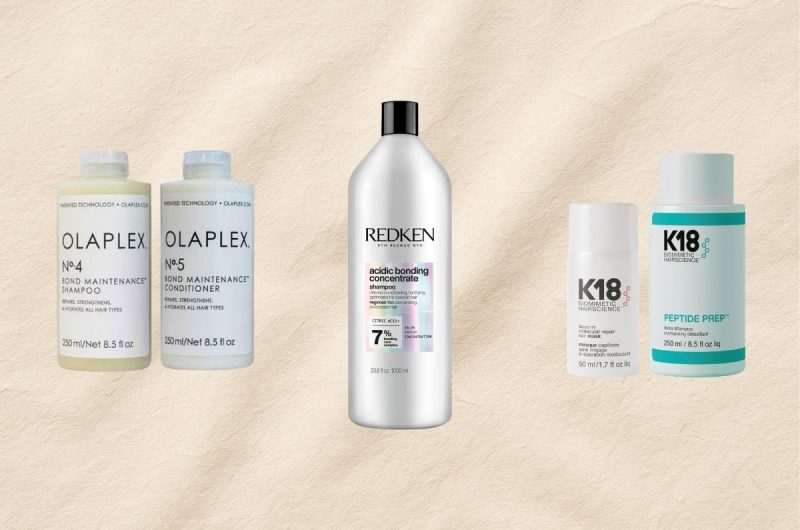
The category is now crowded, but three names dominate the conversation: Olaplex, K18, and Redken’s Acidic Bonding Concentrate line.
They are often mentioned in the same breath, yet they do not function the same way, they do not feel the same on the hair, and they do not deliver identical results. Understanding those differences is the key to choosing correctly rather than expensively.
This is a technical comparison, not a sentimental one. We are looking at formulation logic, repair claims, texture behavior, and realistic outcomes — especially for bleach damage versus heat damage.
Understanding What “Bond Repair” Really Means
Before comparing the products, it is important to understand what is actually being repaired. Hair is primarily composed of keratin proteins structured by several types of bonds:
- Disulfide bonds, which provide structural strength and shape
- Hydrogen bonds, which are temporary and broken by water or heat
- Salt bonds, which are influenced by pH changes
Bleaching and chemical processing significantly disrupt disulfide bonds. High heat weakens hydrogen bonds repeatedly and can degrade keratin proteins over time.
When brands claim “bond repair,” they are referring to different internal targets within this structure. Not all bond repair technologies address the same layer of damage.
The Technology Behind Each Brand
Olaplex: Targeting Broken Disulfide Bonds
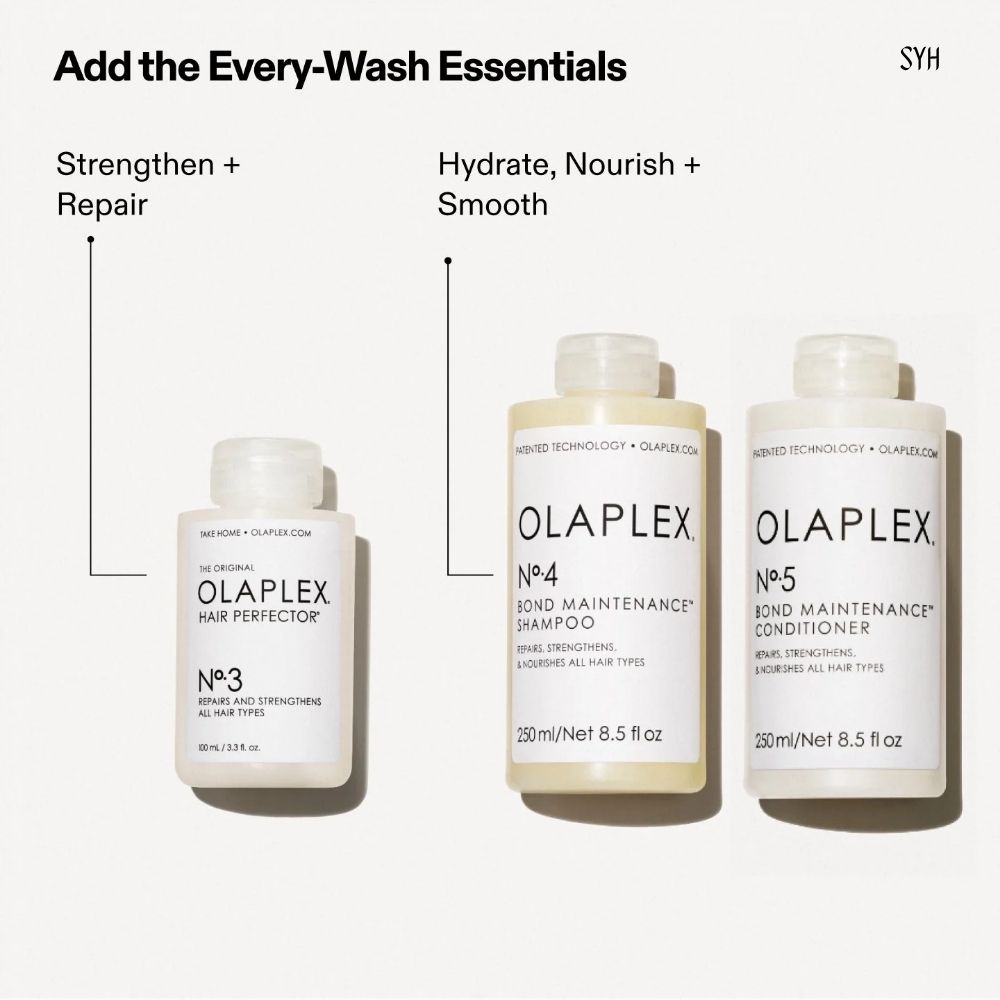
Olaplex’s patented molecule, Bis-Aminopropyl Diglycol Dimaleate, was designed specifically to relink broken disulfide bonds caused by chemical processing.
According to Olaplex’s official technical explanation, this ingredient works by seeking out sulfur hydrogen bonds and rebuilding them into disulfide bonds, thereby restoring structural integrity to compromised hair.
Credit: Olaplex Technology Overview – olaplex.com
Olaplex was originally formulated for in-salon use during bleaching services, which is important context. It was not created as a cosmetic smoother; it was engineered as a structural damage mitigator.
In practical terms, Olaplex is strongest when hair has undergone repeated lightening or chemical treatments that directly disrupt disulfide bonds.
K18: Biomimetic Peptide Reconnection
K18 approaches repair differently. Its patented K18Peptide™ is a biomimetic peptide designed to mimic the structure of keratin and reconnect broken polypeptide chains inside the hair cortex.
According to K18’s published research overview, the peptide penetrates into the hair fiber and reconnects keratin chains broken by bleach, color, and chemical services.
Credit: K18 Bioscience Overview – k18hair.com
Where Olaplex focuses on sulfur bonds, K18 focuses on reconnecting keratin protein chains themselves. This distinction matters because keratin degradation is a major contributor to weakened, stretchy, over-processed hair. K18’s mechanism is protein-level repair rather than strictly sulfur bond relinking.
Redken Acidic Bonding Concentrate: Reinforcement and pH Optimization
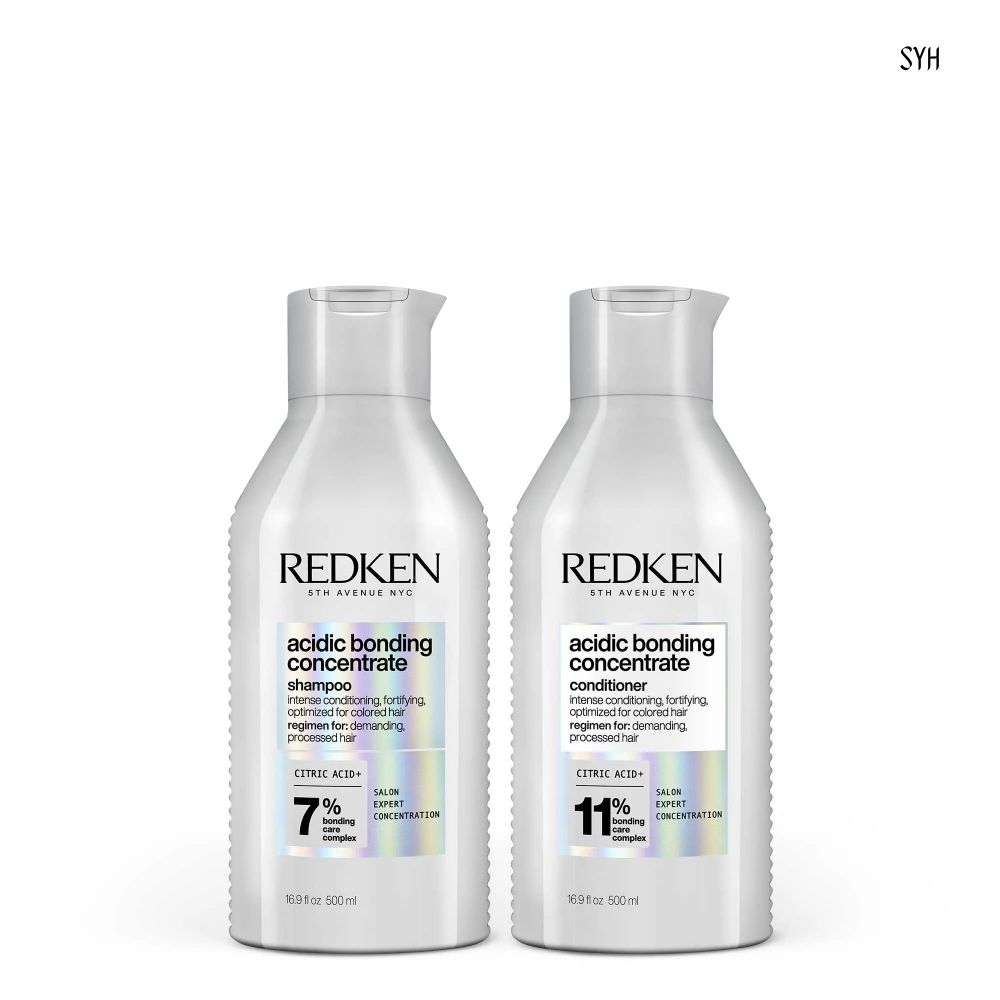
Redken’s Acidic Bonding Concentrate line does not rely on a single patented bond-building molecule in the same way Olaplex and K18 do. Instead, it uses:
- Citric acid to help reinforce weakened bonds
- An acidic pH formula (around 4.5) to rebalance hair
- Protein components to strengthen the fiber
According to Redken’s product documentation, the system is designed to reinforce weakened bonds while restoring hair to a healthier pH environment and strengthening damaged strands.
Credit: Redken Acidic Bonding Concentrate Technical Information – redken.com
Redken’s approach is broader. It addresses pH imbalance and fiber reinforcement rather than targeting one specific bond type.
Texture and Application: How They Actually Feel
Performance is not only about molecular repair. It is also about how a product behaves in your routine.
Olaplex No.3
Olaplex No.3 is a lightweight cream treatment applied before shampoo. It is not a conditioner, and it does not provide dramatic slip during application. You leave it on damp hair for at least ten minutes, then shampoo and condition afterward.
The texture feels functional rather than indulgent. It does not immediately soften hair, which often surprises first-time users. Its value lies in cumulative strengthening rather than instant silkiness.
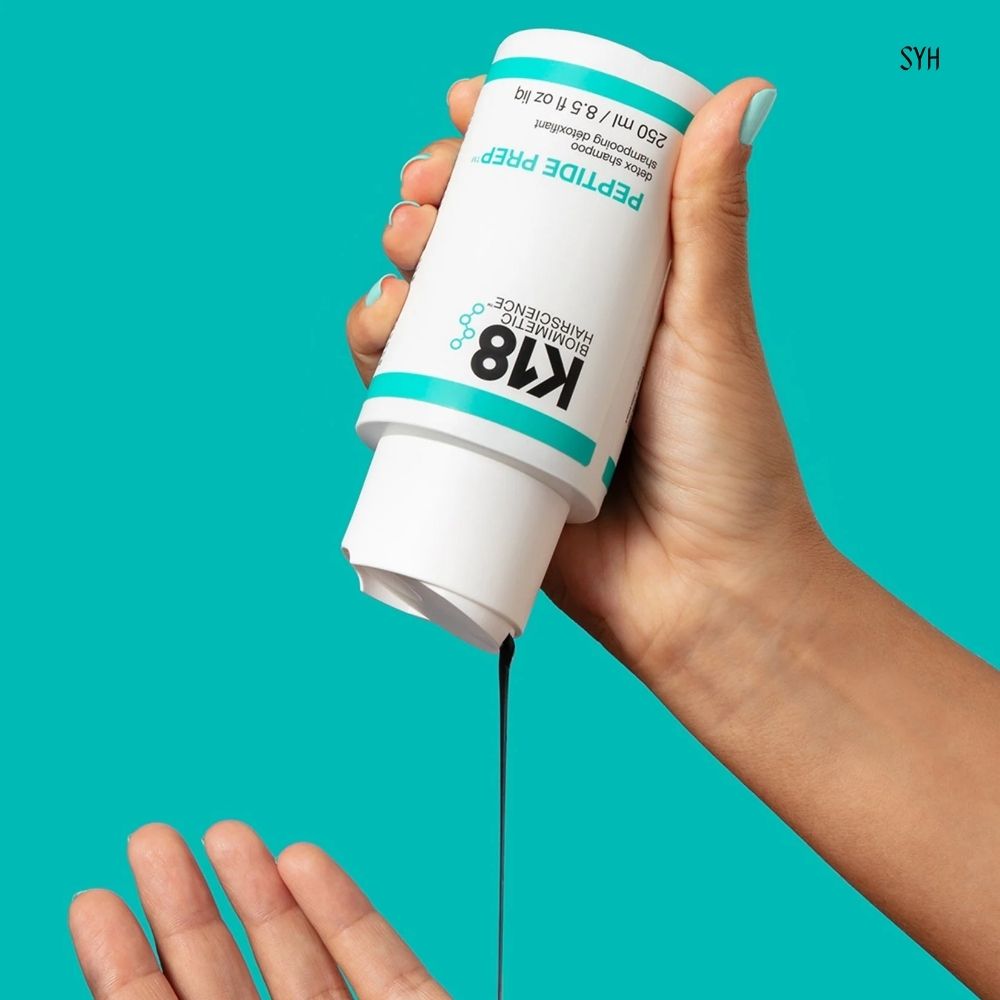
K18 Leave-In Molecular Repair Mask
K18 is applied after shampoo and replaces conditioner during treatment days. It is left in the hair for four minutes before styling.
The texture is lightweight and concentrated. It does not coat hair heavily. In fact, using too much can make hair feel stiff. When used correctly, it absorbs quickly and leaves a surprisingly weightless finish. It feels minimal and clinical rather than creamy or luxurious.
Redken Acidic Bonding Concentrate
Redken feels the most traditional of the three. The conditioner and mask provide immediate softness and slip. Hair feels smoother during rinsing and noticeably shinier after drying.
This line behaves like a strengthening conditioner system rather than a targeted repair treatment. It delivers cosmetic improvement quickly, which is why many consumers perceive it as “working” immediately.
Immediate Results Versus Long-Term Repair
One of the biggest misunderstandings in this category is confusing softness with structural repair.
Olaplex
Olaplex does not dramatically transform texture after one use. Instead, it gradually reduces breakage over repeated applications. Many professional stylists report that hair becomes more resilient after several weeks of consistent use, particularly for chemically treated clients.
Credit: Professional salon feedback reported via BehindTheChair.com industry discussions
It is a slow, structural improvement rather than a surface-level cosmetic fix.
K18
K18 markets its technology as delivering visible results after one use. According to its published clinical claims, hair strength and elasticity can improve significantly after the initial treatment.
Credit: K18 Clinical Claims Overview – k18hair.com
In practice, K18 often shows faster improvement in elasticity, especially for bleached hair that feels gummy when wet.
Redken
Redken provides immediate smoothness and shine because of conditioning agents and pH correction. The strengthening effect is more incremental and dependent on consistent use.
If discontinued, the cosmetic improvement often diminishes.
Bleach Damage vs Heat Damage: Which One Performs Best?
This is where real differentiation becomes clear.
Severe Bleach Damage
Bleaching disrupts disulfide bonds significantly. Hair may feel stretchy, weak, and prone to snapping.
- Olaplex was specifically engineered for this scenario.
- K18 excels when hair has lost elasticity due to protein chain disruption.
If hair feels elastic and fragile when wet, K18 often shows faster improvement in strength perception. If bleaching is ongoing, Olaplex offers consistent structural reinforcement during repeated chemical services. For extreme lightening damage, both outperform Redken.
Heat Damage
Heat styling primarily weakens hydrogen bonds and dehydrates keratin over time.
In this case:
- Redken can improve smoothness and manageability quickly.
- K18 can help restore protein strength if heat damage is advanced.
- Olaplex may be less dramatic unless structural breakdown is severe.
For moderate heat damage, Redken often delivers the most noticeable cosmetic benefit.
Longevity of Results
None of these treatments make hair invincible. Repair lasts only until further damage occurs.
- Olaplex results are semi-cumulative but require maintenance.
- K18 results can feel longer-lasting between treatments.
- Redken improvements rely heavily on continued use.
If bleaching continues regularly, maintenance is mandatory regardless of brand.
Cost Versus Performance
Approximate pricing varies by retailer:
- Olaplex No.3: around $30 for 100ml
- K18 Mask: around $75 for 50ml
- Redken Conditioner: around $30–35 for 300ml
K18 is the most expensive per ounce but requires very little product per use. Redken offers the most volume for cost. Olaplex sits in the middle.
Final Analysis: Which One Actually Repairs Damage?
If the definition of repair is rebuilding broken disulfide bonds, Olaplex remains the most specialized solution.
If repair means reconnecting degraded keratin chains for elasticity restoration, K18 demonstrates a compelling mechanism backed by its peptide technology.
If repair is interpreted as reinforcing weakened fibers and improving hair’s condition through pH optimization and strengthening, Redken performs reliably for moderate damage.
There is no universal winner because the technologies address different structural concerns.
For heavily bleached hair that feels compromised at its core, K18 and Olaplex remain the strongest contenders, with K18 often showing faster visible resilience improvement and Olaplex offering consistent bond reinforcement during repeated chemical services.
For hair that is dry, over-styled, but not structurally collapsing, Redken delivers the most immediate polish. The key is matching the mechanism to the damage type rather than choosing based on brand visibility.